Despite appearing stodgy and rigid in compared to the fast-paced action of today, Indian cricket during the post-Independence era was no less vibrant. Abbas Ali Baig, a Hyderabad native, was a colourful figure in the 1950s. He had scored a century on his debut against England in England and was dashing, attractive. He was, in a word, a star with all the trimmings. But Baig had other accomplishments as well.
However, He was a key contributor to his team’s struggle to force a draw in the third Test at the Brabourne Stadium in Bombay during Australia’s 1959 tour of India. He got a really interesting reward for all his effort. The first (and maybe only) Indian cricketer to be kissed on the pitch was Baig, who received the kiss from a young female spectator during a pause in action during India’s second innings.

Though the game has altered much since Vijay Merchant’s playing days, commentary is the one aspect that hasn’t changed much. It has developed over time, much like other media, starting with radio, then on to television, and now gradually moving towards digital. As technology has advanced, commentators today use more and more sophisticated tools to explain the game as they see it. Additionally, the intonation’s volume has changed with the introduction of Twenty20.
Danny Morrison’s passionate shrieks of excitement during an Indian Premier League match, for instance, would have been legally forbidden in bygone times. However, there has been a noticeable shift in how people now consume cricket. The figures speak for themselves: during the India-Pakistan match at the 2015 World Cup, 16.94 lakh tweets were made, and 2.5 million Facebook interactions related to the match were recorded. The India-Pakistan encounter on March 19 in Kolkata had more than 1.2 million tweets, making it the most tweeted international Twenty20 match ever. But even those figures seemed low in comparison.

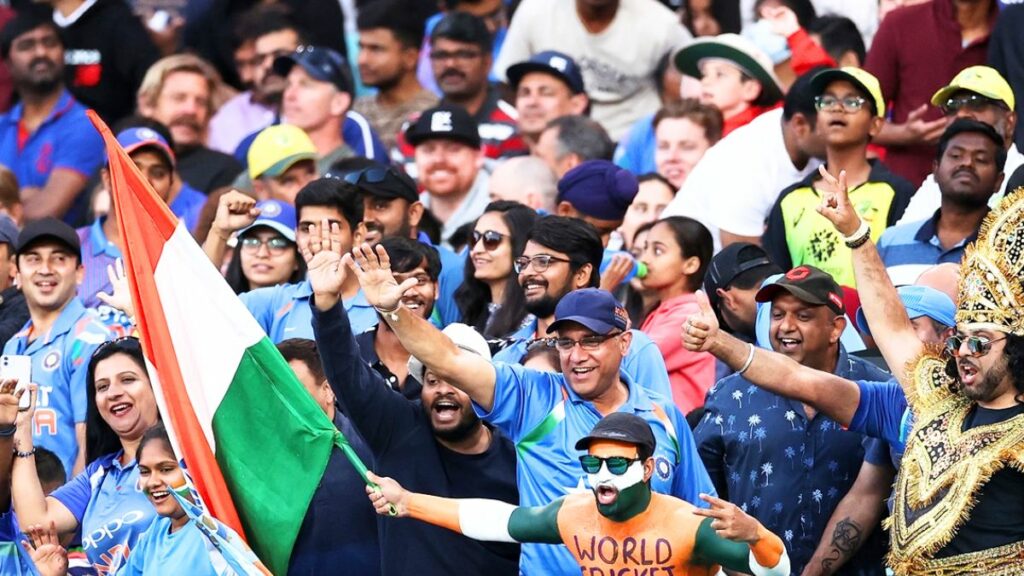
Only including former cricketers has no relevance to home viewers. Few people discuss the game. It’s ludicrous to think India’s 1.3 billion residents can’t talk cricket because they’re not players. Alternative commentary democratises cricket. Fans vote with their feet. Every major game gets online attention, and in-game difficulties are fixed quickly.
Even though some of India’s 2018 World Cup qualifying matches were not televised on Indian television, Indian football fans trended on Twitter, showing that football can learn from cricket. Social media like Instagram, Twitter, and Facebook have increased this influence on cricket players. Cricket suffers if supporters blame them after poor performances. In the Asia Cup match against Pakistan, Arshdeep Singh missed a critical catch from Asif Ali and ruined his career, causing fans to despise him.
However, cricket fans might target a player and leave harsh comments on their recent posts, which can hurt their performance. This might influence the player’s mental health and confidence, lowering their performance. Thus, players must utilise social media judiciously and balance their online presence with their match performance. Social Media provides huge sponcership to fans to take the event forward and also they try to influence.