Tape ball cricket is a popular and informal variant of cricket, especially prevalent in South Asia, including India. It involves using a tennis ball wrapped in electrical tape, which gives the ball additional weight and allows for a closer simulation to the bounce and swing of a traditional leather cricket ball without the associated risk of injury. Here are some key points about the tape ball cricket market in India:
Popularity and Demographics
- Widespread Appeal: Tape ball cricket is particularly popular among youth and amateur cricketers due to its affordability and ease of play. It is common in school playgrounds, streets, and open spaces where formal cricket infrastructure may not be available.
- Urban and Rural Participation: Both urban and rural areas engage in tape ball cricket, making it a unifying sport across various socio-economic backgrounds.
Economic Aspects
- Low-Cost Equipment: The primary equipment—a tennis ball and electrical tape—is inexpensive compared to traditional cricket gear. This low cost is a significant factor driving its popularity.
- Informal Markets: Many local vendors and small shops sell tape balls and basic cricket gear. The market is largely unorganized, with local manufacturers catering to the demand.
- Business Opportunities: The informal nature of tape ball cricket has led to various small-scale entrepreneurial opportunities, such as custom tape ball production and local tournaments.
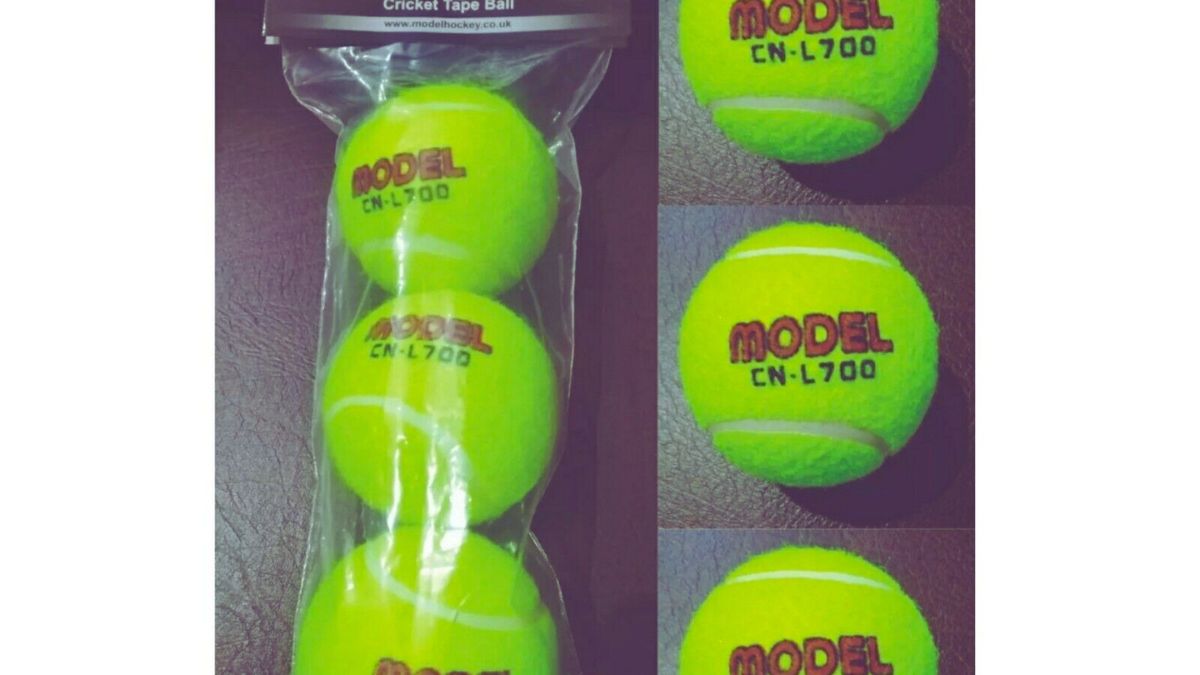
Tape Ball Cricket
Tournaments and Events
- Local Tournaments: Numerous local tape ball cricket tournaments are organized, especially during festive seasons or school holidays. These tournaments often attract sponsorships from local businesses.
- Corporate and Community Events: Tape ball cricket is also used in corporate team-building events and community gatherings due to its easy setup and the minimal equipment required.
Cultural Impact
- Cricket Culture: Tape ball cricket contributes to the overall cricket culture in India. Many aspiring cricketers start with tape ball cricket before transitioning to more formal formats.
- Skill Development: Playing tape ball cricket helps in developing cricketing skills such as batting, bowling, and fielding, albeit in a more relaxed environment.
Challenges and Future Trends
- Lack of Formal Recognition: Despite its popularity, tape ball cricket lacks formal recognition and organization, which can limit opportunities for professional development.
- Potential for Growth: With increasing interest, there is potential for more organized leagues and better infrastructure to support tape ball cricket, possibly leading to semi-professional or professional opportunities in the future.
Conclusion
Tape ball cricket is a dynamic and integral part of India’s cricketing landscape. Its affordability, accessibility, and cultural significance ensure its continued popularity among cricket enthusiasts across the country. As the market evolves, there could be more opportunities for formalization and growth, further embedding tape ball cricket into India’s sporting fabric.