Virat Kohli’s Return to Domestic Cricket: A Turning Point in Mindset and Policy
For more than a decade, Indian cricket has revolved around the aura, consistency, and mental strength of Virat Kohli. A modern-day legend, Kohli has always shaped his game around intense preparation, match-awareness, and sharp instincts rather than playing excessive domestic or warm-up fixtures. But in a surprising shift, the former India captain has now confirmed his participation in the Vijay Hazare Trophy (VHT) for Delhi.
This move comes at a time when the BCCI’s new domestic participation mandate has become a central point of debate. According to the policy, any centrally contracted cricketer—regardless of format—must play domestic cricket if they are fit, available, and not involved in the national squad at that moment.
Initially, Kohli resisted the idea, citing his long-standing approach:
He has always believed in quality preparation, not quantity of matches.
But his eventual agreement marks a meaningful, mindset-level shift with far-reaching implications for Indian cricket.
The Policy That Sparked the Debate
Earlier this year, BCCI officially communicated to players that domestic cricket is not optional:
If a player is fit and not selected for an India match, they must represent their state team.
This was done to:
Strengthen domestic tournaments
Increase competitive standards
Prevent senior players from skipping key domestic assignments
Provide youngsters opportunities to play alongside legends
The policy directly impacted top-tier names like Kohli, Rohit Sharma, KL Rahul, Jasprit Bumrah, and Hardik Pandya.
Many experts agreed with the mandate, stating that senior players must show the way. Yet, the reaction among some superstars was mixed.
Kohli’s Initial Reluctance: A Rare Public Disagreement
Reports emerged that Kohli was not keen on playing the Vijay Hazare Trophy, leading to tension between him and the board. His reasoning wasn’t surprising:
Kohli has often said he prefers mental focus, targeted training, and high-intensity practice over playing multiple matches in domestic competitions.
His quote that went viral — “I don’t believe in too much practice; cricket for me is more mental.”
— reflected his deeply rooted philosophy.
For years, this approach worked.
It kept him fresh
Maintained his fitness
Allowed him to focus on India duties
And aligned with his workload management
So, his reluctance was not defiance — it was consistency with everything he had believed and followed.
But the board viewed it differently.
For BCCI, uniformity of policy mattered more than individual habits.
What Changed? The Turning Point
The public narrative took a sharp turn when Delhi & District Cricket Association (DDCA) confirmed that Virat Kohli had informed them of his availability for the Vijay Hazare Trophy.
This is the first time in 15 years that Kohli has agreed to play in this domestic 50-over format.
So, what caused the shift?
1. Commitment to Team India’s Long-Term Vision
Even after stepping away from T20Is and Tests, Kohli remains a crucial ODI player for India.
The VHT gives him:
High-quality match practice
Time in the middle
A chance to fine-tune technique
Rhythm before major ODI assignments
2. Respect for the Board’s Policy
By agreeing, Kohli has sent a strong message:
No one is above the system, and the system is meant to be followed.
3. Inspiration for Domestic Cricket and Young Players
Kohli’s presence elevates the tournament.
Thousands will flock to stadiums.
Young Delhi players will share a dressing room with one of cricket’s greats.
The domestic ecosystem instantly becomes richer.
4. Building a Healthy Relationship with Selectors
Reports suggested that selectors were unhappy with stars avoiding domestic tournaments.
Kohli’s participation smoothens this friction.
The Symbolism: Why This Decision Matters
Virat Kohli playing the Vijay Hazare Trophy is not just another selection update.
It is a deeply symbolic moment because:
It Reconnects a Superstar With the Domestic Base
India’s domestic cricket is the foundation of everything.
When the biggest stars return to this foundation, it strengthens the entire pyramid.
It Shows Adaptability Despite Achievements
Kohli has nothing left to prove. And yet, he adapted.
This flexibility reflects maturity, leadership, and humility.
It Boosts the Prestige of the Tournament
Some players view domestic tournaments as stepping stones — but stars returning give the VHT the aura it deserves.
It Sets a Template for Future Generations
If Virat Kohli can follow the rule, every youngster and every future star must follow it too.
Delhi’s Perspective: A Massive Boost
For Delhi, this is bigger than just a selection.
1. Team Confidence Skyrockets
Having Kohli in the squad is like injecting confidence into the entire unit.
2. Young Players Will Learn What No Coaching Manual Can Teach
How he prepares
How he observes bowlers
How he builds innings
How he manages pressure
How he recovers mentally
This is priceless.
3. Increased Fan Engagement
Domestic matches featuring Kohli will attract huge crowds, media attention, and television viewership.
4. A Strong Message to Players on Commitment and Professionalism
His presence raises the bar for everyone.
The Remaining Questions
Even with this positive move, a few questions remain:
Will Kohli play the full tournament or only selective matches?
Will India’s ODI schedule allow him long-term domestic involvement?
Will this trigger other big names to participate more in domestic cricket?
Can this decision eliminate the “domestic vs workload management” conflict?
Conclusion: A Mature Decision That Strengthens Indian Cricket
It feels like a new chapter of alignment, where the player’s philosophy, the board’s expectations, and Indian cricket’s long-term needs are meeting at a common point.
This step:
strengthens the domestic structure
enriches young cricketers
sets an example for all players
and signals unity between top stars and the BCCI
It also reminds cricket fans that even the greatest of greats — those who have broken records, inspired a generation, and defined an era — sometimes return to their roots to keep the game moving forward.
Virat Kohli’s comeback to domestic cricket is more than a selection news item.
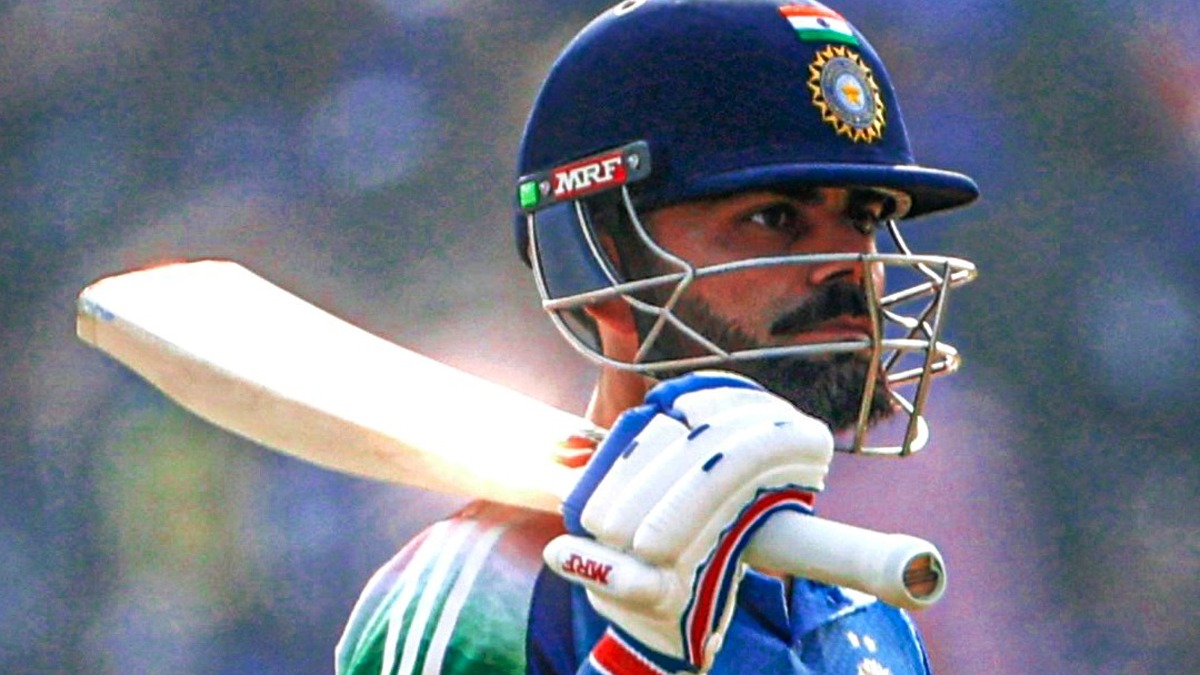
Virat Kohli – Return to Domestic Cricket (Vertical Table Format)
| Topic | Details |
|---|---|
| Main Headline | Virat Kohli’s Return to Domestic Cricket: A Turning Point in Mindset and Policy |
| Context | Kohli confirms participation in the Vijay Hazare Trophy (VHT) for Delhi after years of focusing primarily on international cricket. |
| Reason for Attention | His decision aligns with BCCI’s new mandatory domestic participation policy for all centrally contracted players. |
| BCCI Policy | If a player is fit, available, and not part of the national squad, they must play domestic cricket. |
| Policy Objective | Strengthen domestic tournaments, raise competition, prevent seniors from skipping matches, and allow youngsters to learn from legends. |
| Players Impacted | Virat Kohli, Rohit Sharma, KL Rahul, Jasprit Bumrah, Hardik Pandya, and others. |
| Kohli’s Initial Reaction | Initially reluctant; preferred mental focus, targeted training, and high-intensity practice over domestic fixtures. |
| Kohli’s Philosophy | “I don’t believe in too much practice; cricket for me is more mental.” |
| Why He Resisted Initially | Belief in quality preparation, workload management, maintaining freshness, and prioritising India duties. |
| BCCI’s Standpoint | Uniformity of rules is essential; individual preferences cannot override policy. |
| Turning Point | DDCA confirmed Kohli’s availability for VHT — his first domestic 50-over appearance in 15 years. |
| Reasons Behind the Shift | Commitment to India’s long-term ODI plans; respect for BCCI policy; inspiration for domestic cricket; rebuilding relationship with selectors. |
| Benefits for Kohli | High-quality match practice, time in the middle, rhythm building, technical fine-tuning. |
| Symbolic Importance | Reconnects a superstar to domestic roots; showcases adaptability; boosts tournament prestige; sets an example for younger players. |
| Impact on Delhi Team | Massive confidence boost; learning experience for young players; increased fan engagement; raises professionalism. |
| Learnings for Young Players | How Kohli prepares, builds innings, analyses bowlers, handles pressure, and maintains mental clarity. |
| Fan Impact | Higher attendance, more media coverage, stronger viewership for domestic cricket. |
| Unanswered Questions | Will he play full VHT? Will scheduling allow long-term domestic involvement? Will other stars follow? Can domestic vs. workload issues be resolved? |
| Overall Conclusion | Kohli’s decision displays maturity, unity with BCCI policy, strengthens the domestic system, and inspires future generations. |
| Final Message | Even legends return to their roots — Kohli’s move proves that domestic cricket is the backbone of India’s cricketing future. |