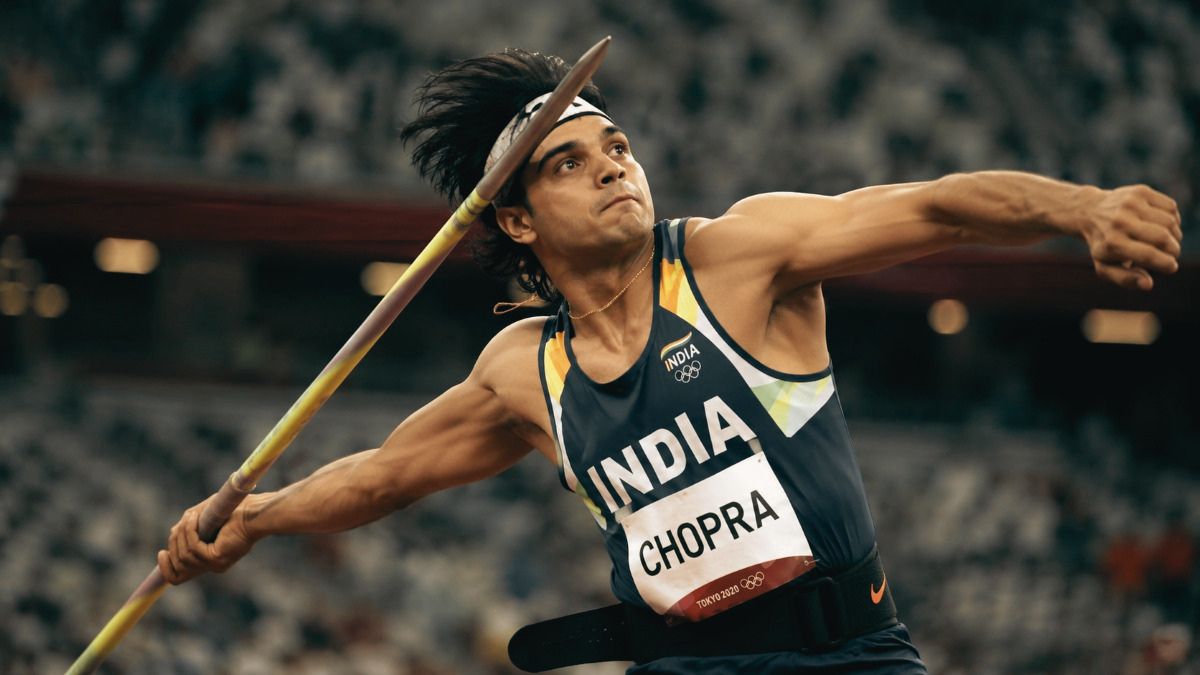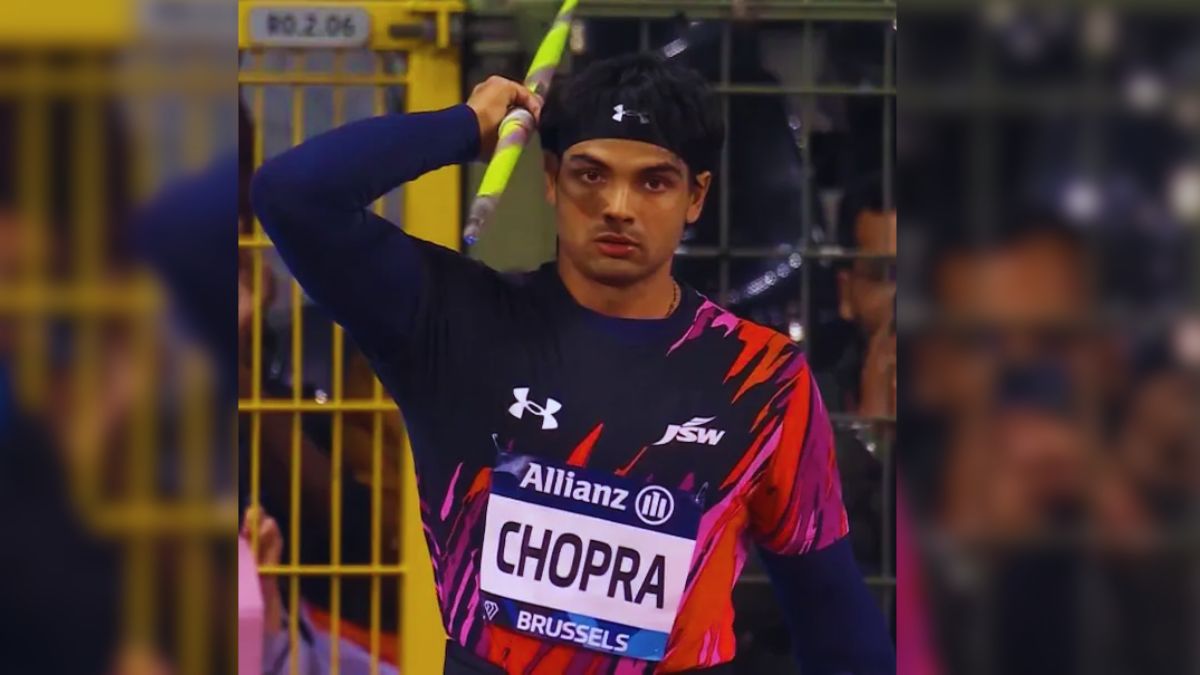
Sports Minister Mansuksukh Mandaviya clearly stated Indian athletes who will be taking part in Upcoming Asian Games to be held 19th September to 4th October 2026 in Alohi- Nagaya are the ones who are focused on bringing medals for country.
He also clearly stated no freebies or extra passes will be allowed when it comes to fielding Support Staff for Upcoming Asian Games considering that in mind we will field less than 600 contingents in Upcoming Marquee event.
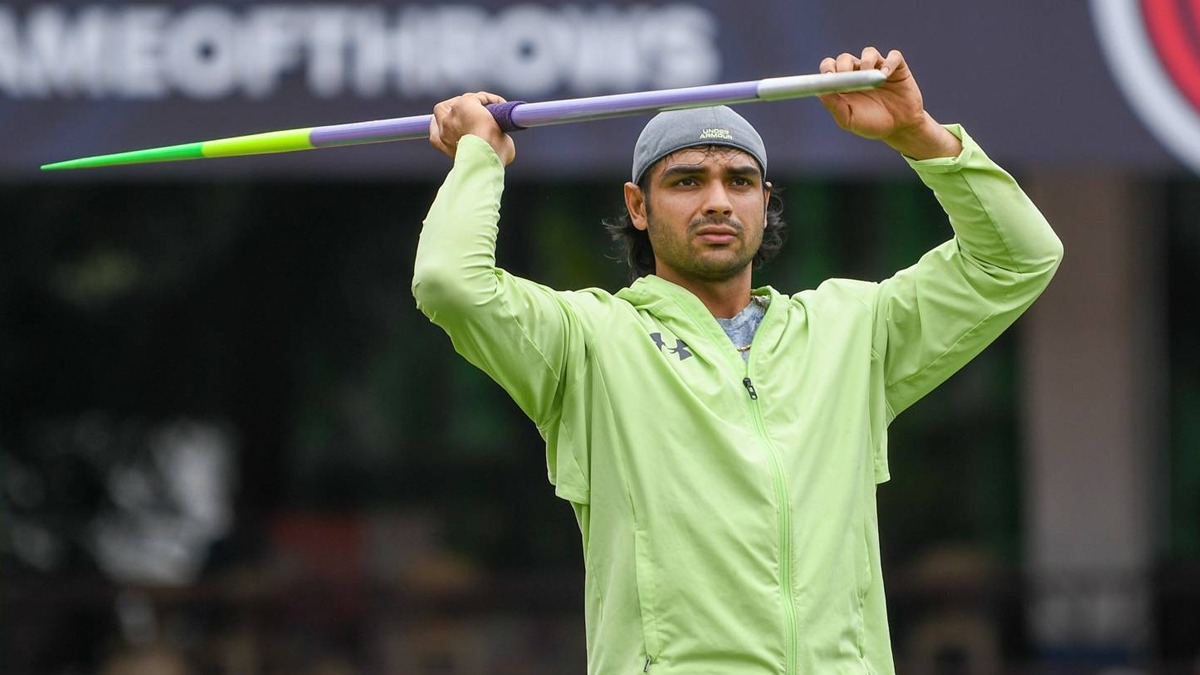
Mandaviya further added “Asian Games are not designed for granting exposure to athletes rather it’s a platform where athletes are supposed to deliver their best performance and deliver for nation. No more priority would be given for those athletes whose focus entirely lies on Government Job also in that past we have seen athletes family have travelled in the past for moral support it’s not happening anymore”
“The selection would be entirely done based on merit and no more favoritism would be granted, we would try our level best to field best athletes who can win medal for country”
Indian Government have established distinct scheme where significant investment is driven to make athlete world class.
All the facilities ( Diet, Training, World Class Coaches are being provided to athletes so that best results could be demanded from them) .
It’s High time we come out of participating mindset and focus on Winning mindset to earn most medals for country.
As Journalist, Athletes should have psychologist whom they can share their experience, and mentally remains alert in crunch phases of the game.
| Topic | Key Statement / Takeaway |
|---|---|
| Asian Games 2026 Focus | Union Sports Minister Mansukh Mandaviya emphasized that athletes selected for the 2026 Asian Games (19 September–4 October 2026) should be focused on winning medals for India. |
| Selection Philosophy | The primary criterion for selection will be medal-winning potential, rather than participation or exposure. |
| Support Staff Policy | No unnecessary support staff, freebies, or additional passes will be permitted. The aim is to keep the Indian contingent to fewer than 600 members. |
| Exposure vs Performance | The Minister stated that the Asian Games are not meant to provide exposure to athletes but are a platform to deliver their best performance for the nation. |
| Government Job Mindset | Greater emphasis will be placed on athletes committed to international success rather than those participating primarily to secure government employment benefits. |
| Family Members at Events | The practice of athletes’ family members travelling with the contingent for moral support will no longer be encouraged. |
| Merit-Based Selection | Athlete selection will be based strictly on merit and performance, with no room for favoritism. |
| Government Investment | The Government of India has invested heavily in elite athlete development through schemes that provide world-class infrastructure and support. |
| Facilities Available | Athletes have access to high-quality diet plans, training infrastructure, sports science, international exposure, and world-class coaches to maximize performance. |
| Expected Mindset Shift | India should move from a “participation mindset” to a “winning mindset” with the objective of maximizing its medal tally at major international events. |
| Journalist’s Perspective | Every elite athlete should have access to a sports psychologist to help manage pressure, process experiences, and stay mentally resilient during crucial moments in competition. |
| Overall Message | Accountability should match the investment made in Indian sports. With world-class facilities now available, expectations should shift towards consistently delivering podium finishes on the international stage. |
Frequently Ask Questions:
Why is the Government of India adopting a stricter merit-based selection policy for the 2026 Asian Games?
The Government of India has significantly changed its approach towards selecting athletes for the 2026 Asian Games, signalling a shift from participation-oriented policies to a performance-driven culture. Union Sports Minister Mansukh Mandaviya has made it clear that only those athletes capable of winning medals for India will be considered for selection. This marks a notable evolution in India’s sporting philosophy, reflecting the country’s ambition to become a consistent global sporting powerhouse.
Over the past decade, the Indian government has substantially increased investment in high-performance sports. Through initiatives such as the Target Olympic Podium Scheme, the Sports Authority of India, National Centres of Excellence, and enhanced funding for international exposure, athletes now receive access to world-class coaches, sports scientists, nutritionists, physiotherapists, advanced recovery systems, overseas training camps, and state-of-the-art infrastructure. Compared to previous generations, today’s athletes enjoy significantly better support throughout their preparation.
With these investments comes greater accountability. The government believes that if athletes are provided with world-class facilities and financial backing, it is reasonable to expect world-class performances in return. Consequently, the selection process is expected to prioritize recent international performances, national rankings, fitness standards, consistency, and medal-winning potential rather than reputation or past achievements alone.
Another important aspect of this policy is controlling the size of the Indian contingent. Previous editions of multi-sport events often witnessed criticism regarding the number of officials and support staff accompanying athletes. The ministry now intends to limit unnecessary accreditation, additional passes, and non-essential personnel so that resources remain focused on athlete performance. Similarly, family members accompanying athletes at government expense for moral support will no longer be encouraged.
The minister has also emphasized that major events like the Asian Games should not be viewed as exposure opportunities. Exposure is expected to be gained through junior competitions, international tours, and continental championships before athletes reach the Asian Games. By the time an athlete qualifies for this prestigious event, the expectation is to compete for medals rather than simply participate.
Ultimately, this stricter merit-based approach reflects India’s long-term sporting vision. The objective is not merely to increase participation but to maximize podium finishes, improve accountability, ensure transparency in selection, and strengthen India’s position among Asia’s leading sporting nations.
Frequently Asked Question 2: Why is mental conditioning becoming as important as physical training for elite Indian athletes?
Modern elite sport is no longer determined solely by physical fitness, technical ability, or tactical preparation. Increasingly, the difference between winning a gold medal and narrowly missing the podium comes down to an athlete’s ability to perform under immense psychological pressure. As India continues to invest heavily in high-performance sport, mental conditioning has become an equally important pillar of athlete development.
International competitions such as the Asian Games place athletes under extraordinary levels of stress. They compete in front of thousands of spectators while carrying the expectations of an entire nation. Every decision, movement, and performance is closely scrutinized by coaches, media, sports administrators, and millions of fans. Managing these pressures requires more than physical preparation—it requires psychological resilience.
Sports psychologists play a critical role in helping athletes develop this resilience. They work on improving focus, confidence, emotional regulation, stress management, visualization techniques, pre-performance routines, recovery from defeats, and maintaining motivation during long training cycles. These mental skills enable athletes to remain composed during crucial moments, recover quickly from setbacks, and consistently perform at their highest level.
Countries that dominate international sport—including the United States, Australia, United Kingdom, and Japan—have long integrated sports psychology into their elite training systems. Mental health professionals are considered an essential part of the high-performance support team, alongside coaches, physiotherapists, strength and conditioning experts, and nutritionists.
India has also begun recognizing the importance of psychological support, but many experts believe that access remains inconsistent across sports. While top Olympic athletes often receive comprehensive mental conditioning, athletes in several disciplines still have limited opportunities to work regularly with qualified sports psychologists. Expanding these services across all national camps could help bridge this gap.
From a journalist’s perspective, investing in sports psychology is no longer optional—it is a competitive necessity. Athletes need trusted professionals with whom they can openly discuss fear, anxiety, performance pressure, injuries, selection uncertainty, public criticism, and expectations. Such support not only improves mental well-being but can also translate directly into better performances on the field of play.
If India aims to consistently challenge the world’s best and maximize its medal tally at events like the Asian Games and Olympics, mental conditioning must receive the same priority as physical training, coaching, nutrition, and sports science. Developing athletes who are mentally resilient, emotionally balanced, and capable of delivering under pressure will be essential to building a sustainable winning culture for Indian sport.
| Question | Key Aspect | Details |
|---|---|---|
| Why is the Government of India adopting a stricter merit-based selection policy for the 2026 Asian Games? | Shift in Selection Philosophy | The Government of India is moving from a participation-based approach to a performance-driven selection policy. Union Sports Minister Mansukh Mandaviya has stated that only athletes with realistic medal-winning potential will be selected, reflecting India’s ambition to become a leading sporting nation. |
| Increased Investment in Sports | Over the past decade, India has significantly invested in high-performance sports through initiatives such as the Target Olympic Podium Scheme (TOPS), Sports Authority of India (SAI), National Centres of Excellence (NCOE), overseas exposure tours, sports science, nutrition, physiotherapy, recovery systems, and world-class coaching. | |
| Greater Accountability | Since athletes now receive extensive financial and infrastructural support, the government expects international-level performances. Selection will increasingly depend on recent international performances, national rankings, fitness standards, consistency, and medal-winning capability rather than reputation alone. | |
| Smaller and Efficient Contingent | The ministry plans to reduce unnecessary officials, support staff, and additional accreditations to ensure that government resources are utilized efficiently and remain focused on athlete performance. Family members accompanying athletes at government expense will also be discouraged. | |
| Exposure vs Performance | The Asian Games are no longer viewed as exposure events. Athletes are expected to gain experience through junior championships, international tours, and continental competitions before qualifying for the Asian Games. The expectation at the Games is to compete for medals rather than participation. | |
| Long-Term Vision | The policy aims to improve transparency, accountability, medal efficiency, and India’s standing among Asia’s top sporting nations by creating a sustainable high-performance culture. | |
| Why is mental conditioning becoming as important as physical training for elite Indian athletes? | Changing Nature of Elite Sport | Modern elite sport is increasingly decided by psychological strength. The difference between winning and losing at the highest level often depends on an athlete’s ability to handle pressure rather than physical ability alone. |
| Pressure at International Events | Competitions such as the Asian Games expose athletes to immense pressure from spectators, media, coaches, administrators, and national expectations. Managing this stress requires structured psychological preparation. | |
| Role of Sports Psychologists | Sports psychologists help athletes improve concentration, confidence, emotional regulation, stress management, visualization, motivation, pre-performance routines, recovery from defeats, and overall mental resilience. | |
| Global Best Practices | Countries like the United States, Australia, United Kingdom, and Japan have long integrated sports psychologists into elite performance programs alongside coaches, physiotherapists, strength & conditioning experts, and nutritionists. | |
| Current Status in India | India has started incorporating mental conditioning into elite sports, particularly for Olympic-level athletes. However, access remains inconsistent across many disciplines, and experts advocate expanding sports psychology services to all national camps. | |
| Importance from a Journalist’s Perspective | Mental conditioning is now considered a competitive necessity. Athletes need trusted professionals to help manage anxiety, selection pressure, injuries, criticism, fear of failure, and expectations, leading to improved well-being and performance. | |
| Future Outlook | To consistently challenge the world’s best and maximize medal success at the Asian Games and Olympics, India must give mental conditioning equal importance alongside coaching, sports science, nutrition, strength & conditioning, and physical training. Developing mentally resilient athletes will be key to establishing a long-term winning culture. |