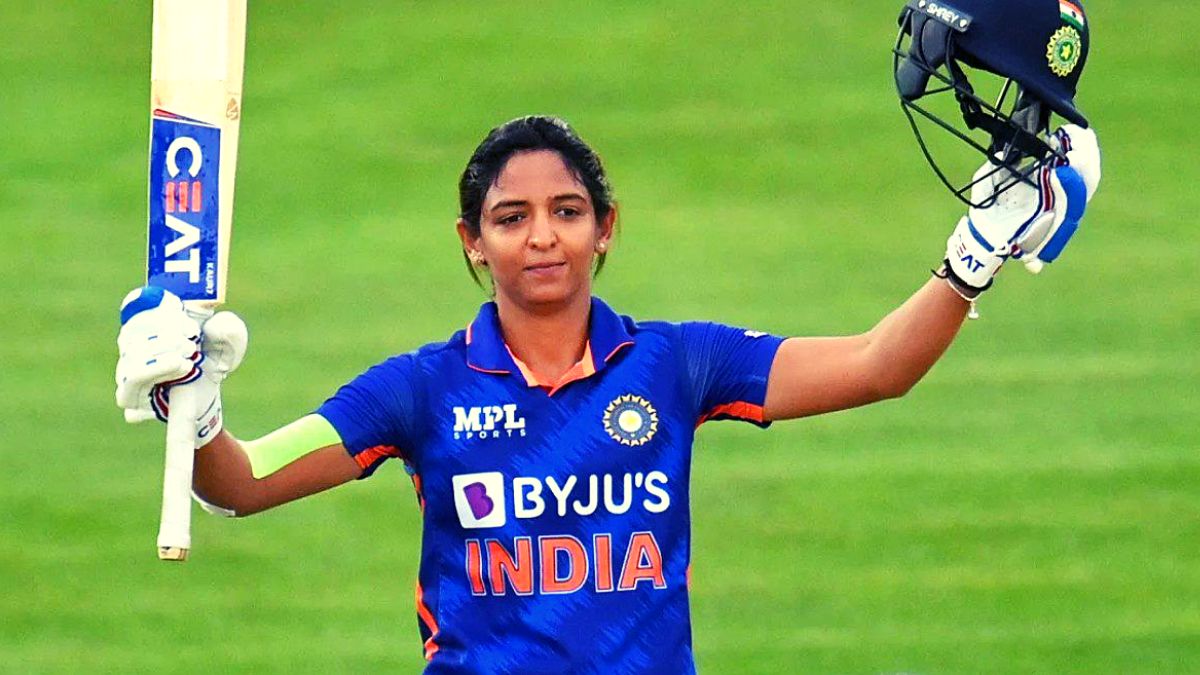
The Indian Women’s Team despite all the facilities have been bundled out of T20 World Cup.
Considering all factors- Indian Women’s Team is lacking big time across all scenarios when it comes to playing against cricketing powerhouse is shared in the below format:
- Middle Order Strike rate: Considering Middle Order Strike rate- Indian team is currently averaging around 130 when you compare it rest of the cricketing powerhouse teams which include- Australia,South Africa, New Zealand their strike rate being 190.
2. Middle Order Test Match Approach: When it comes to Middle order batting including the likes of- Jemimah Rodriques, Harmanpreet Kaur and others have failed to consolidate batting in middle order and the way they are batting is timid and defensive approach which is certainly not demand of modern cricket.
3. Poor Bowling Options: If you look at Indian team bowling – Women in Blue doesn’t have many bowling options which is varied to each other.
Bowling options is not fruitful and they need bowlers who could constantly reinvent themselves also posses variations to shine in the shortest format of the game.
4. Need Fresh Captaincy Approach: Indian women’s team certainly needs fresh captaincy approach, someone who is younger could possibly bring fresh ideas on the table.
Harmanpreet Kaur despite being India’s most successful captain in T20I format, clearly looks out of ideas and Women in Blue needs fresh leadership approach to take mettle forward in the shortest format of the game.
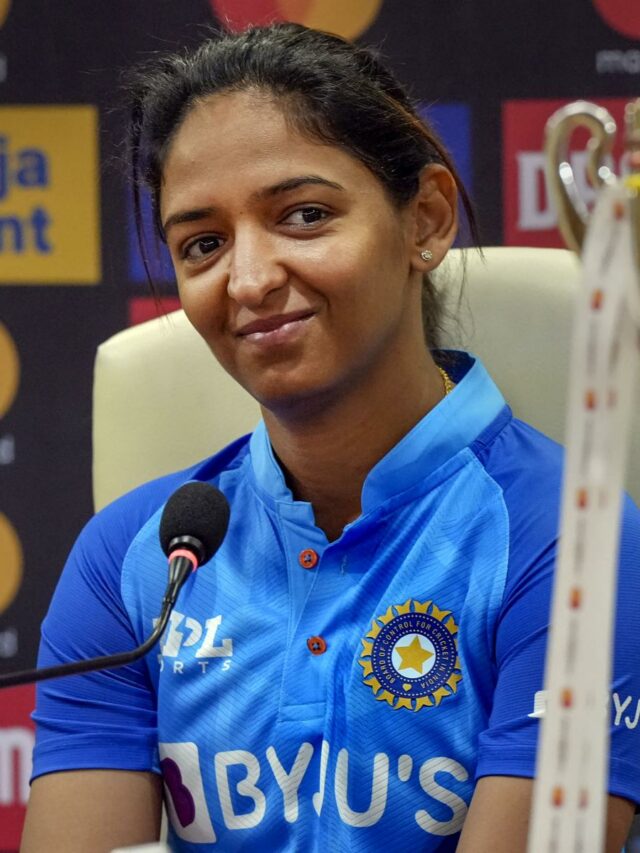
5. Indian women’s team inability to adapt T20 Format:
Yes you heard it right, Indian Women’s Team have inability to adapt in T20 format which is need of an hour, as rest of the teams including- Australia, New Zealand and England have already adapted to the modern T20 Requirement.
Overall, Indian team needs to tick most boxes in all three formats of the game and combine with Modern T20 Approach in order to become T20 Giants.
| S. No. | Key Challenge | Analysis | Impact on India’s T20 Performance |
|---|---|---|---|
| 1 | Low Middle-Order Strike Rate | India’s middle-order has struggled to maintain the high scoring rate required in modern T20 cricket. The strike rate has been around 130, whereas leading teams such as Australia, South Africa, and New Zealand have middle-order batters capable of scoring at strike rates approaching 170–190 during crucial phases of an innings. This difference often prevents India from accelerating effectively in the middle and death overs. | Lower run rate, inability to capitalize on strong starts, and below-par totals against top-quality opposition. |
| 2 | Conservative Middle-Order Batting Approach | India’s experienced middle-order, including players such as Harmanpreet Kaur and Jemimah Rodrigues, has at times adopted a cautious approach rather than consistently playing with the aggressive intent demanded by modern T20 cricket. Against elite bowling attacks, the inability to rotate strike quickly and accelerate consistently has affected the team’s overall batting momentum. | Reduced scoring momentum, increased pressure on finishers, and difficulty matching the aggressive batting standards of top T20 nations. |
| 3 | Limited Bowling Variety | India’s bowling attack has shown promise but often lacks sufficient variety in pace, angles, and tactical variations. Modern T20 cricket rewards bowlers who can constantly adapt through slower deliveries, yorkers, changes of pace, and match-specific plans. Developing a broader pool of versatile bowlers could strengthen India’s ability to defend totals and control opposition batters during key phases of the innings. | Predictable bowling plans, fewer wicket-taking opportunities, and difficulty restricting high-scoring teams in pressure situations. |
| 4 | Need for a Fresh Leadership Approach | Leadership plays a significant role in shaping a team’s tactical identity. While Harmanpreet Kaur has been one of India’s most successful T20I captains, there is an argument that the team could benefit from fresh leadership ideas and a long-term vision as it prepares for future ICC tournaments. A younger captain or a renewed tactical approach could help introduce new strategies and foster greater adaptability. | Potential opportunity to refresh team culture, tactical decision-making, and long-term planning for major ICC events. |
| 5 | Adapting to the Demands of Modern T20 Cricket | The modern T20 format places greater emphasis on fearless batting, innovative stroke play, athletic fielding, flexible bowling strategies, and data-driven tactical decisions. Teams such as Australia, New Zealand, and England have evolved rapidly by embracing these changes. India must continue adapting its playing style to consistently compete with the world’s leading T20 sides. | Falling behind leading nations in tactical innovation and limiting India’s ability to consistently challenge for ICC T20 titles. |
| Overall Conclusion | Need for a Complete T20 Reset | To become a dominant force in women’s T20 cricket, India must improve its middle-order intent, enhance strike rates, develop greater bowling depth and variety, strengthen leadership, and fully embrace the evolving demands of modern T20 cricket. A balanced combination of experienced players, emerging talent, tactical flexibility, and aggressive decision-making will be essential if India aims to consistently compete with the world’s top teams and win future ICC tournaments. | A comprehensive and modern approach across batting, bowling, fielding, leadership, and strategy will significantly improve India’s chances of becoming a consistent T20 powerhouse. |
Frequently Asked Question (FAQ)
Why has the Indian Women’s Cricket Team struggled to consistently dominate ICC Women’s T20 tournaments despite having world-class players?
The Indian Women’s Cricket Team has made significant progress over the past decade and has produced several world-class cricketers. With the growth of domestic cricket, increased financial support, better training facilities, and the success of the Women’s Premier League (WPL), expectations have risen considerably. However, despite these advancements, India has found it difficult to consistently dominate ICC Women’s T20 tournaments against leading teams such as Australia, England, New Zealand, and South Africa.
One of the primary reasons is the difference in batting approach. Modern T20 cricket rewards fearless intent, high strike rates, and the ability to score boundaries consistently throughout an innings. India’s middle order has occasionally struggled to maintain the tempo required against elite bowling attacks, resulting in lower scoring rates during the crucial middle overs. This often places additional pressure on the finishers during the closing stages of the innings.
Bowling depth is another area that requires improvement. While India possesses several talented bowlers, the team would benefit from greater variety, including more pace variations, death-over specialists, and tactical flexibility. The world’s leading T20 teams frequently rely on bowlers capable of adapting quickly to different match situations, making it difficult for opposition batters to settle.
Fielding standards have also become a defining factor in modern T20 cricket. Teams like Australia and England consistently save crucial runs through exceptional athleticism, accurate throwing, and outstanding catching. Maintaining consistently high fielding standards can significantly influence the outcome of closely contested matches.
Leadership and tactical adaptability also play an important role. Successful T20 teams continuously evolve by experimenting with player roles, match-ups, and data-driven strategies. India’s leadership group and coaching staff must continue adapting to the rapidly changing demands of international T20 cricket while creating opportunities for emerging players to gain experience at the highest level.
Another important aspect is building a stronger bench strength. Consistent competition for places encourages higher performance levels and ensures that injuries or changes in form do not significantly weaken the team. Expanding the domestic talent pipeline through youth development and competitive domestic tournaments will be essential for long-term success.
Ultimately, the Indian Women’s Cricket Team has the talent and resources to become a dominant force in T20 cricket. By improving middle-order intent, increasing bowling variety, strengthening fielding standards, embracing tactical innovation, and developing greater squad depth, India can bridge the gap with the world’s best teams and significantly improve its chances of winning future ICC Women’s T20 World Cups.
| Section | Details |
|---|---|
| Frequently Asked Question (FAQ) | Why has the Indian Women’s Cricket Team struggled to consistently dominate ICC Women’s T20 tournaments despite having world-class players? |
| Overview | The Indian Women’s Cricket Team has made significant progress over the past decade and has produced several world-class cricketers. With the growth of domestic cricket, increased financial support, improved training facilities, and the success of the Women’s Premier League (WPL), expectations have risen considerably. However, despite these advancements, India has struggled to consistently dominate ICC Women’s T20 tournaments against leading teams such as Australia, England, New Zealand, and South Africa. |
| 1. Batting Approach | One of the primary reasons is the difference in batting approach. Modern T20 cricket rewards fearless intent, high strike rates, and the ability to score boundaries consistently throughout an innings. India’s middle order has occasionally struggled to maintain the tempo required against elite bowling attacks, resulting in lower scoring rates during the crucial middle overs. This often places additional pressure on the finishers during the closing stages of the innings. |
| 2. Bowling Depth and Variety | Bowling depth is another area that requires improvement. While India possesses several talented bowlers, the team would benefit from greater variety, including more pace variations, specialist death-over bowlers, and increased tactical flexibility. The world’s leading T20 teams frequently rely on bowlers capable of adapting quickly to different match situations, making it difficult for opposition batters to settle. |
| 3. Fielding Standards | Fielding has become one of the defining factors in modern T20 cricket. Teams such as Australia and England consistently save crucial runs through exceptional athleticism, accurate throwing, sharp catching, and outstanding ground fielding. Maintaining consistently high fielding standards can significantly influence the outcome of closely contested matches and reduce pressure on the bowling unit. |
| 4. Leadership and Tactical Adaptability | Leadership and tactical adaptability also play an important role. Successful T20 teams continuously evolve by experimenting with player roles, favourable match-ups, data-driven strategies, and flexible game plans. India’s leadership group and coaching staff must continue adapting to the rapidly changing demands of international T20 cricket while creating opportunities for emerging players to gain valuable experience at the highest level. |
| 5. Bench Strength and Talent Pipeline | Another important aspect is building stronger bench strength. Healthy competition for places encourages better performances and ensures that injuries or dips in form do not significantly weaken the team. Expanding the domestic talent pipeline through age-group cricket, grassroots development, and competitive domestic tournaments will be essential for sustaining long-term success. |
| Overall Conclusion | The Indian Women’s Cricket Team has the talent, experience, and resources to become a dominant force in T20 cricket. By improving middle-order intent, increasing bowling variety, raising fielding standards, embracing tactical innovation, strengthening leadership, and developing greater squad depth, India can bridge the gap with the world’s leading teams and significantly improve its chances of winning future ICC Women’s T20 World Cups. |