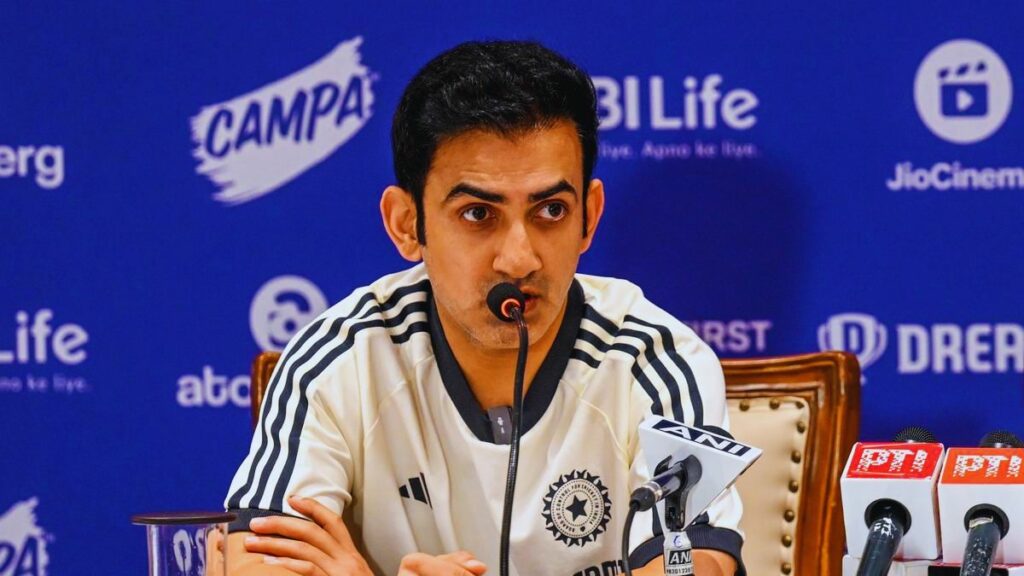
When Gautam Gambhir took over as Head Coach for Indian National Team, Many fans were extremely happy especially what he did with Kolkata Knight Riders, where he straightway crowned them towards winning IPL Title.
He has an impressive track record when it comes to White Ball cricket where India won 2025 Champions Trophy and 2026 T20 World Cup under his coaching leadership.
His mindset related to selfless approach in White ball cricket is deeply respected by peers in Cricketing community where entire focus is on winning title rather than banking on personal milestones.
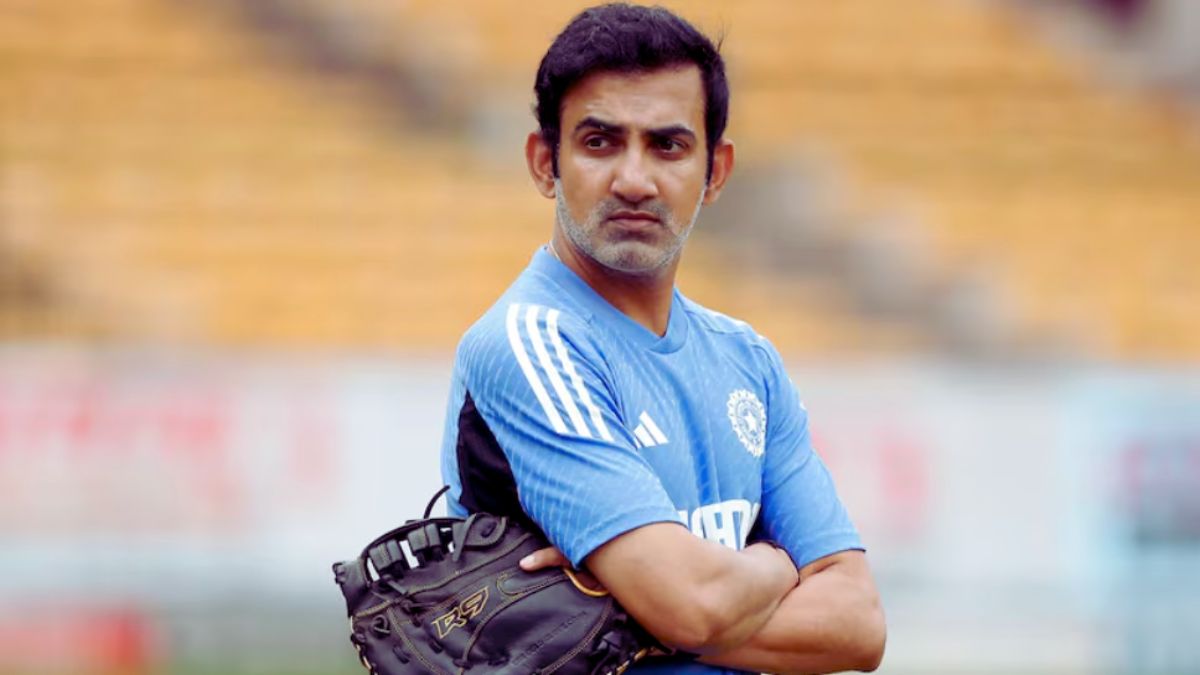

When it comes to red ball his coaching astute have come under fire but before we jump the bandwagon we need to deeply understand as ardent Cricket fans “India is going through transition, and big wigs retirement including the likes of Kohli- Rohit is certainly not an easy shoes to fill”
Shubhman Giill and company need our backing but the strange thing which no one talks about that we are losing on home soil against turning tracks and our battters inability to play spin have been exposed big time.
Gambhir’s Playing X1 have been questioned several times especially his zeal to play all rounders rather than specialist bowler have often backfired him on many occasion.
Overall what he is doing with white ball team is looking all set to weave their magic but when it comes to red ball, they are all over the place.
BCCI have replaced his support staff which include- Assistant Coach Abhisekh Nayyar and Ryan Ten Doeschate it would be interesting to see how Sri Lanka test series will determine his tenure as red ball coach.
VVS Laxman is right behind him as his successor as Indian young team won series against Zimbabwe, so he might be seen as India’s red ball coach instead of White ball coach.
FAQ 1: Why has Gautam Gambhir been more successful in white-ball cricket than in Test cricket as India’s head coach?
Answer:
Gautam Gambhir’s coaching journey with the Indian team has produced contrasting results in white-ball and red-ball formats. His philosophy of fearless cricket, aggressive intent, and selfless decision-making has blended perfectly with the demands of ODI and T20 cricket. White-ball cricket rewards proactive batting, attacking field placements, and flexible tactical decisions, all of which align with Gambhir’s coaching style. Under his leadership, India lifted the 2025 ICC Champions Trophy and the 2026 ICC Men’s T20 World Cup, reinforcing the effectiveness of his approach in limited-overs cricket.
Test cricket, however, presents a completely different challenge. Success in the longest format requires patience, consistency, adaptability across varying conditions, and long-term squad planning. India is currently navigating one of its biggest transition phases following the retirements of legends like Virat Kohli and Rohit Sharma. Replacing players with years of experience and match-winning ability cannot happen overnight. Young batters are still learning to handle pressure in overseas conditions while simultaneously maintaining India’s dominance at home.
Another factor is the increased competition in Test cricket. Teams such as England, Australia, South Africa, and New Zealand have evolved their strategies considerably, making every series highly competitive. Gambhir’s coaching should therefore be evaluated in the context of a rebuilding side rather than solely on wins and losses. While criticism is natural, judging a transitional team without allowing sufficient time may overlook the larger process of building a sustainable Test unit for the future.
FAQ 2: What are the biggest challenges Gautam Gambhir and the Indian Test team need to address going forward?
Answer:
The Indian Test team faces several structural and tactical challenges that extend beyond coaching decisions. One of the most significant concerns has been the batting unit’s inconsistency, particularly against quality spin bowling. India has traditionally dominated opponents on turning tracks, but recent performances have exposed technical flaws and a lack of confidence among several batters. Improving footwork, shot selection, and temperament against spin will be essential if India wishes to regain its dominance in home conditions.
Another challenge revolves around team combination. Gambhir has often preferred playing multiple all-rounders to provide batting depth, but critics argue that this strategy has occasionally weakened the bowling attack. Finding the right balance between specialist bowlers and all-rounders remains one of the most important selection dilemmas. Conditions, opposition strengths, and workload management must all influence team selection rather than relying on a fixed formula.
Leadership development is another key area. Captain Shubman Gill is still relatively new to leading the Test side and is simultaneously establishing himself as one of India’s premier batters. Managing tactics, player confidence, and dressing-room dynamics while maintaining personal form is never easy. Gambhir’s experience as a former international captain could play a crucial role in mentoring Gill during this period.
Finally, India’s pace attack is also entering a transition. Managing workloads, identifying reliable backups, and developing bench strength will be vital with a packed international calendar. Addressing these areas collectively can help India become a more balanced and competitive Test side over the next few years.
-FAQ 3: Can Gautam Gambhir still succeed as India’s Test coach despite recent criticism?
Answer
There is every possibility that Gautam Gambhir can establish himself as a successful Test coach, provided he receives adequate time and institutional backing. Cricket history has repeatedly shown that rebuilding phases require patience. Several legendary coaches and captains experienced difficult beginnings before eventually transforming their teams into world-beaters. Judging a coach solely on early setbacks may ignore the long-term vision needed to create sustained success.
The upcoming Test assignments, including the series against Sri Lanka, will undoubtedly be significant. These matches will provide a clearer indication of whether India’s tactical planning, batting approach, and bowling combinations are evolving in the desired direction. Positive performances could strengthen confidence in Gambhir’s leadership, while inconsistent results may increase discussions around alternative coaching options.
The Board of Control for Cricket in India has already demonstrated its willingness to make changes by restructuring the support staff, including the exits of assistant coaches Abhishek Nayar and Ryan ten Doeschate. Such decisions suggest that accountability exists across the coaching setup and that continuous improvement is expected.
Meanwhile, former India great VVS Laxman continues to be viewed as a strong candidate for future responsibilities after successfully working with several young Indian squads. Healthy competition for coaching positions is ultimately beneficial because it encourages innovation, accountability, and higher performance standards.
For Gambhir, the path ahead is straightforward but demanding. If he can develop India’s young core, improve performances against spin, establish a settled bowling combination, and produce consistent Test results both at home and overseas, his achievements in red-ball cricket could eventually match the success he has already delivered in white-ball formats. The next phase of India’s Test journey will therefore be crucial not only for the team but also for Gambhir’s coaching legacy.
Related posts: