
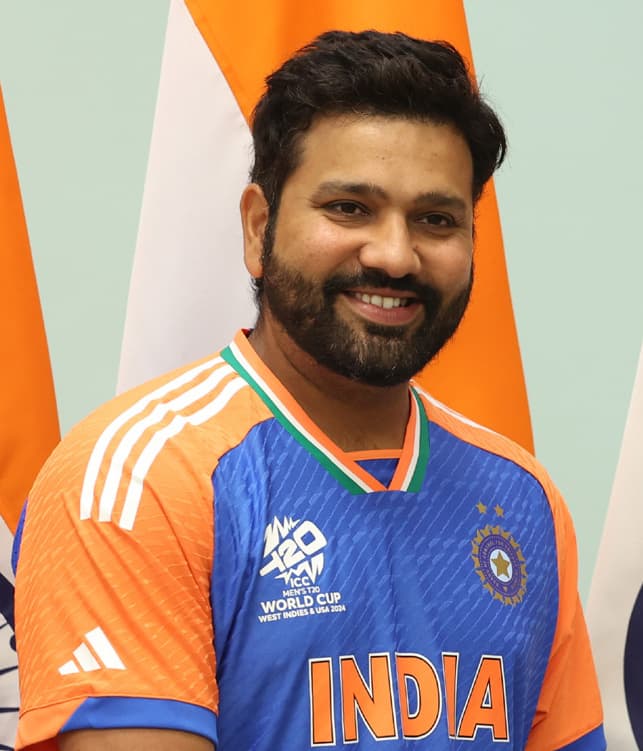
India’s captain Rohit Sharma has confirmed his intention to be part of the 2027 ODI World Cup squad despite ongoing fitness concerns. The veteran batsman, who has been a mainstay of the national side for over a decade, is preparing for the tournament while managing a lingering hip problem that has shadowed his recent seasons. His commitment comes as discussions about his conditioning dominate cricket circles.
The injury dates back to 2017, when Sharma suffered a serious hip setback that required extensive medical attention. Former strength and conditioning coach Soham Desai has repeatedly highlighted how that episode continues to affect the captain’s mobility and training routine. Desai notes that the damage has limited Sharma’s ability to engage in high‑intensity workouts, forcing the player to adopt a more cautious approach to preparation.
Speaking candidly about public perception, Desai said, "People say Rohit Sharma is lazy, doesn't train": Ex‑S&C coach calls him a "ticking bomb". He added that such remarks overlook the physical challenges the batsman endures daily. The former coach stressed that the label does not reflect Sharma’s dedication to recovery, but rather the frustration of observers who see limited on‑field movement as a lack of effort.
Desai emphasised that regular strength training is essential to prevent further complications with Sharma’s hip. He outlined a regimen that combines low‑impact conditioning, core stability work and monitored load management to safeguard the joint. According to the coach, adherence to such a programme can mitigate the risk of re‑injury and enable the captain to maintain his batting prowess without compromising long‑term health.
Developments surrounding Rohit Sharma continue to attract attention across major sports circuits. Analysts note that his situation is unique among contemporary Indian cricketers, many of whom enjoy relatively injury‑free careers. The ongoing dialogue reflects broader concerns about player welfare and the balance between performance expectations and medical realities. Sharma’s case has become a reference point for discussions on how elite athletes manage chronic injuries while remaining competitive.
Further confirmations and official statements on Sharma’s fitness are expected ahead of the team’s upcoming competitive fixtures. The board is likely to release detailed medical updates once the captain completes his current rehabilitation cycle. Fans and commentators will be watching closely to gauge whether the planned strength programme yields sufficient progress for him to be named in the final World Cup squad, a decision that will shape India’s batting line‑up.
In summary, Rohit Sharma remains determined to feature in the 2027 ODI World Cup despite a serious hip injury that dates back to 2017. Former coach Soham Desai has highlighted the need for disciplined strength work to safeguard the captain’s joint and counter public criticism. As the Indian team prepares for forthcoming matches, the cricketing world will monitor Sharma’s rehabilitation progress, awaiting official confirmation of his readiness for the forthcoming global tournament.