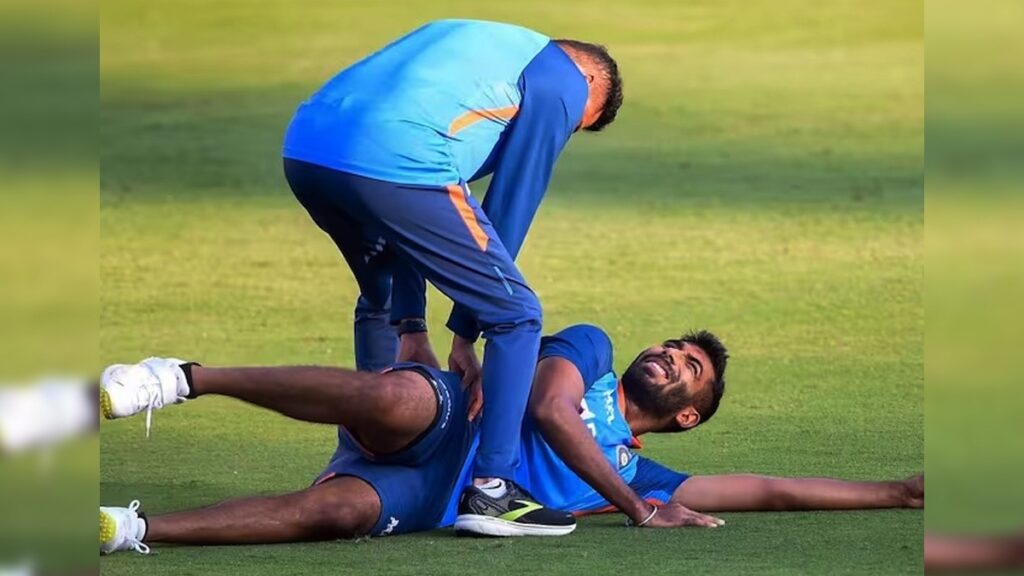
Teams’ injury problems can have a big impact on the World Cup because player fitness is essential to a team’s performance and success. Injury can alter team dynamics, require alterations to the starting lineup, and have an impact on the squad’s general balance and depth. Teams prioritise player fitness and use a variety of tactics to control injuries and reduce the chance of additional harm.
A thorough and tailored training and conditioning programme is one of the main ways teams manage player fitness. This includes cricket-specific strength training, flexibility training, and injury prevention routines. Teams frequently employ professional physiotherapists and fitness instructors who collaborate closely with players to assess their fitness levels, spot any possible weaknesses or imbalances, and create specialised training regimens to treat those issues.
Teams also plan routine fitness evaluations and medical check ups to monitor the players’ physical health and spot any underlying problems. These tests enable rapid intervention and therapy by identifying early indications of exhaustion or damage. If players are determined to be injured or to be in danger of injuring themselves worse, they may be given the proper rest times or put through rehabilitation programmes to get well before the World Cup.

However, Teams are cautious when deciding how much time to give their players, especially before important competitions like the World Cup. In order to prevent overexertion and lower the chance of injuries, they try to balance giving athletes enough rest and game time. This may entail resting players on purpose during particular series or competitions, especially if they have a history of injuries or are considered high-risk players.
Teams also use data analytics and sports science to track player workloads and fatigue levels. These tools aid in keeping track of the quantity of games played as well as the frequency and intensity of training sessions. Teams may manage players and distribute workloads effectively by monitoring this data, ensuring that players are not overworked and have enough time to recover.
Teams have backup players on the roster who can step in as replacements in the event of injuries during the World Cup. These substitutes are frequently chosen based on their performance, abilities, and capacity to fill in for the injured player. When it comes to limiting the effects of injuries and preserving team performance, the depth of the roster and the players’ versatility can be quite important.

It is important to remember that despite all of these precautions, accidents happen in sports, and that risk may not be entirely avoidable. To maximise their chances of winning the World Cup, teams work to establish a climate that is favourable for player fitness by actively controlling and reducing injury issues.
Team injury concerns, which can affect team chemistry and performance, can have a significant impact on the World Cup. To treat injuries and reduce the risk of further harm, teams prioritise player fitness and use tactics including tailored training plans, frequent evaluations, workload management, and data analytics. In order to reduce the impact of injuries, the squad’s depth and the availability of backup players are also essential factors. To keep their competitive edge, teams must be ready to adapt and make the required modifications due to the unexpected nature of injuries.
Injuries in a team can have one of the most significant impact on a team. Team Composition: Injuries to key players can lead to a reshuffling of the team composition. The absence of a key batsman, bowler, or all-rounder can create a void that is difficult to fill, especially if the replacements lack the same level of skill or experience. This can disrupt the team’s strategy and affect their overall performance.
Team Morale injuries can also impact the team’s morale and confidence. Losing key players to injuries can have a demoralising effect on the team, particularly if it happens close to or during the World Cup. The team may need to quickly regroup, reassess their strategies, and boost morale to overcome the setbacks and maintain a positive mindset.
To mitigate the impact of injuries, teams employ various strategies Injury Prevention teams prioritise player fitness and employ rigorous training, conditioning, and injury prevention programmes. This includes monitoring workload, implementing proper recovery strategies, and addressing any potential weaknesses or imbalances to minimise the risk of injuries.
Squad Depth teams aim to build a squad with depth, including backup players who can step in as replacements in case of injuries. This ensures that the team has suitable alternatives and maintains a competitive edge even in the face of injuries.
In conclusion, injuries within teams can have a significant impact on the Cricket World Cup. They can affect team composition, depth, performance, and morale. To mitigate these impacts, teams prioritise injury prevention, maintain squad depth, provide rehabilitation and recovery programmes, and offer mental support to injured players. The ability to effectively manage injuries plays a crucial role in a team’s chances of success in the Cricket World Cup.