
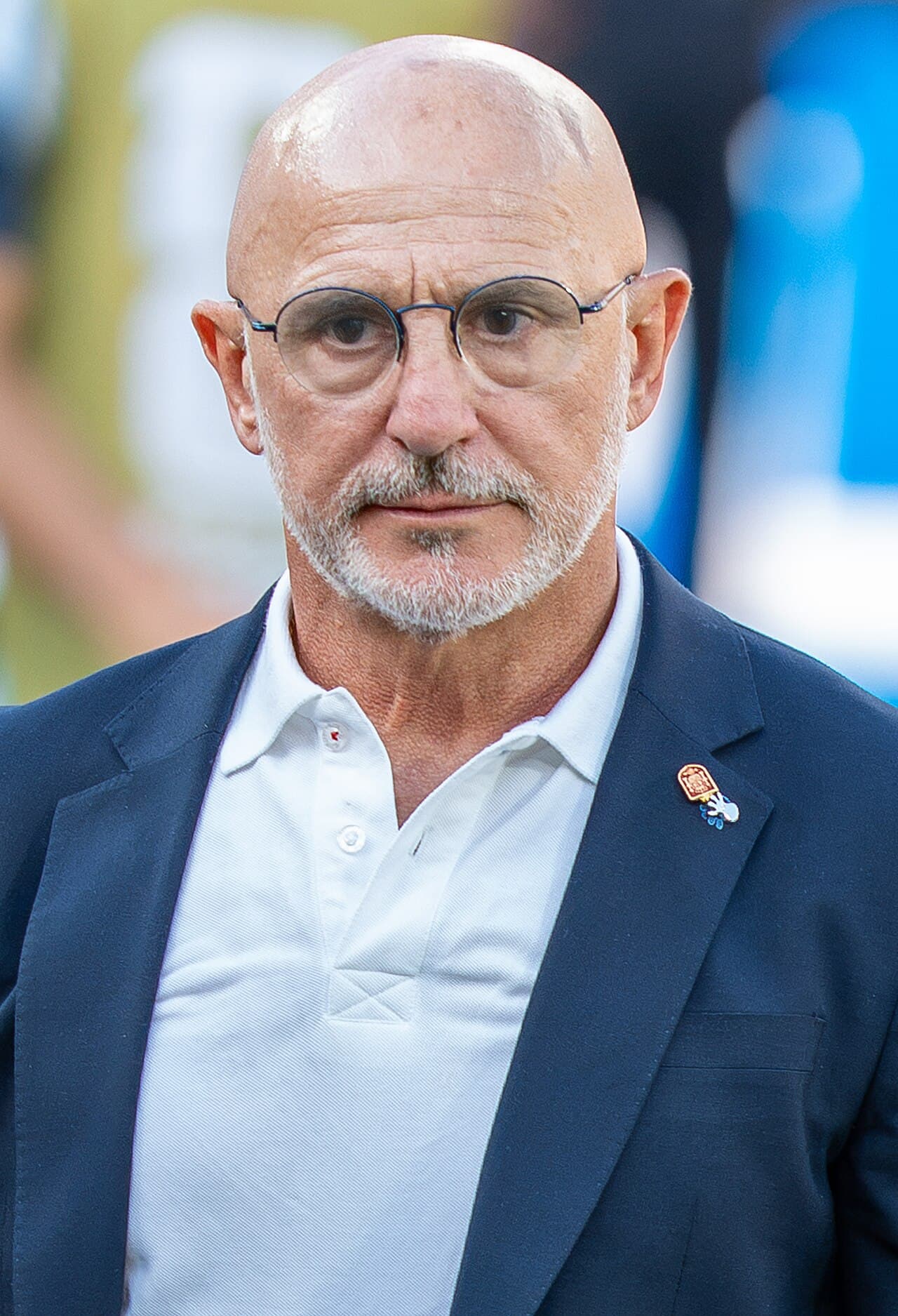
Luis de la Fuente was presented with the Men’s Coach of the Year honour at the recent Ballon d’Or ceremony. The accolade follows his leadership of Spain to the FIFA World Cup 2026 title in July, a triumph that also made him the oldest manager to secure the trophy at 65 years of age. His tactical acumen and experience were widely praised by peers and analysts.
The Ballon d’Or ceremony, traditionally reserved for player accolades, expanded its scope to celebrate coaching excellence, placing de la Fuente alongside other distinguished figures in football. The award recognises his strategic decisions throughout the World Cup campaign, including the decisive line‑up changes that turned tight matches into victories. It also highlights his ability to inspire a squad that blended seasoned veterans with emerging talent, culminating in a historic triumph for Spain.
At the same event, Pere Romeu received the Women’s Coach of the Year award, underscoring the ceremony’s commitment to honouring coaching achievements across both genders. While de la Fuente’s accolade centred on the men’s game, Romeu’s recognition reflected parallel successes in women’s football, illustrating a broader appreciation for coaching contributions within the sport.
Developments surrounding de la Fuente continue to attract attention across major sports circuits, with analysts examining the impact of his methods on future managerial trends. His victory in the World Cup and subsequent award have sparked discussions about the evolving role of experience versus youth in top‑level football management. Observers note that his success may influence clubs and national teams when selecting candidates for senior coaching positions.
Guiding Spain to the 2026 World Cup at 65 made de la Fuente the oldest manager to lift the trophy, a record that underscores his longevity in the sport. Prior to this triumph, he had overseen Spain’s progression through qualifying stages, implementing a possession‑based style that resonated with the nation’s footballing philosophy. The combination of tactical discipline and adaptive game plans proved decisive in the knockout phases.
Further confirmations and official statements regarding de la Fuente’s future engagements are expected as Spain prepares for upcoming competitive fixtures. The federation is anticipated to outline his role in the next cycle of international tournaments, while media outlets await details on any potential extensions or new responsibilities. Stakeholders will watch closely to see how his leadership will shape Spain’s strategy in the post‑World Cup era.
The recognition at the Ballon d’Or event cements de la Fuente’s status among the elite coaches of his generation. As the football community reflects on his achievements, the award serves both as a personal milestone and as a benchmark for managerial excellence. Fans and pundits alike will monitor how his approach influences upcoming teams, while the anticipation of forthcoming announcements adds an element of intrigue to Spain’s football narrative.
