The International Cricket Council is dealing with some serious makeshift drama, where some of the Cricket board are not on the same page.
Bangladesh Cricket Board, denied their participation in Upcoming marquee event and requested International Cricket Body to shift their matches out of India.
ICC denied their request and Scotland was allowed to participate in the last moment.
When it comes to Pakistan, they are currently standing in solidarity with Bangladesh and decided to not play against India.
Initial statement came from Government of Pakistan twitter handle and later Prime Minister Shehbaz Sharif said ” We have decided not to play against India , in order to stand with solidarity with Bangladesh as we believe in not mixing Sports with Politics, as the game should be played keeping the Sportsmanship spirit alive”
There are three things most likely to happen in this case let me share it in the below format:
1. ICC most probably will ban Pakistan Cricket Board and sanction will be followed on them.
2. Official Broadcaster(Star Sports) will file case against Pakistan Cricket Board
3. They will find middle ground will ask Pakistan Cricket team to compete it all depends on how well they will take it towards next level.
There is so much happening, in Cricket world it would be interesting to see how things will take drastic turn going forward and what will be the best possible solution going forward.
More Details on Repercussions to be shared in the below format:
First, the ICC may choose to take strict disciplinary action against the Pakistan Cricket Board. A ban or heavy sanctions could be imposed for refusing to honor scheduled fixtures in an ICC event. Such a move would be consistent with ICC’s past approach of enforcing compliance among member boards to protect tournament integrity. However, banning a major cricketing nation like Pakistan would not be a simple decision, given the competitive, financial, and viewership impact it would have on the sport.
Second, the official broadcaster, Star Sports, is expected to play a decisive role in the unfolding events. With broadcast rights tied closely to high-voltage matches—particularly India versus Pakistan—any disruption significantly affects advertising revenue and commercial planning. In this scenario, Star Sports could file a legal case against the Pakistan Cricket Board for breach of contractual expectations. Broadcasters invest heavily based on guaranteed fixtures, and a last-minute withdrawal from such marquee encounters could lead to substantial financial losses.
Third, and perhaps the most pragmatic outcome, would involve finding a middle ground. The ICC could step in to negotiate with the Pakistan Cricket Board and push for participation despite political resistance. This would require careful diplomacy and assurances, possibly involving neutral venues or revised operational frameworks. Ultimately, it would depend on how far the situation escalates and how willing all parties are to de-escalate tensions in the interest of the sport.
What makes this episode particularly significant is that it exposes the fragile balance between cricket administration, national interests, and commercial realities. The ICC’s role as a governing body is being tested not just on regulatory grounds, but also on its ability to keep the sport united during times of disagreement. Decisions taken in this case will likely set a precedent for how similar conflicts are handled in the future.
For fans, players, and stakeholders, the uncertainty is unsettling. International tournaments are meant to showcase the best of cricketing rivalry and sportsmanship, not administrative standoffs. Yet, the current situation highlights how deeply interconnected cricket has become with global narratives beyond the boundary ropes.
As the cricketing world watches closely, the coming days and weeks will be crucial. Whether the ICC chooses enforcement, legal confrontation, or compromise, the outcome will shape the immediate future of international cricket. One thing is certain—this episode has already become one of the most talked-about governance challenges the sport has faced in recent times.
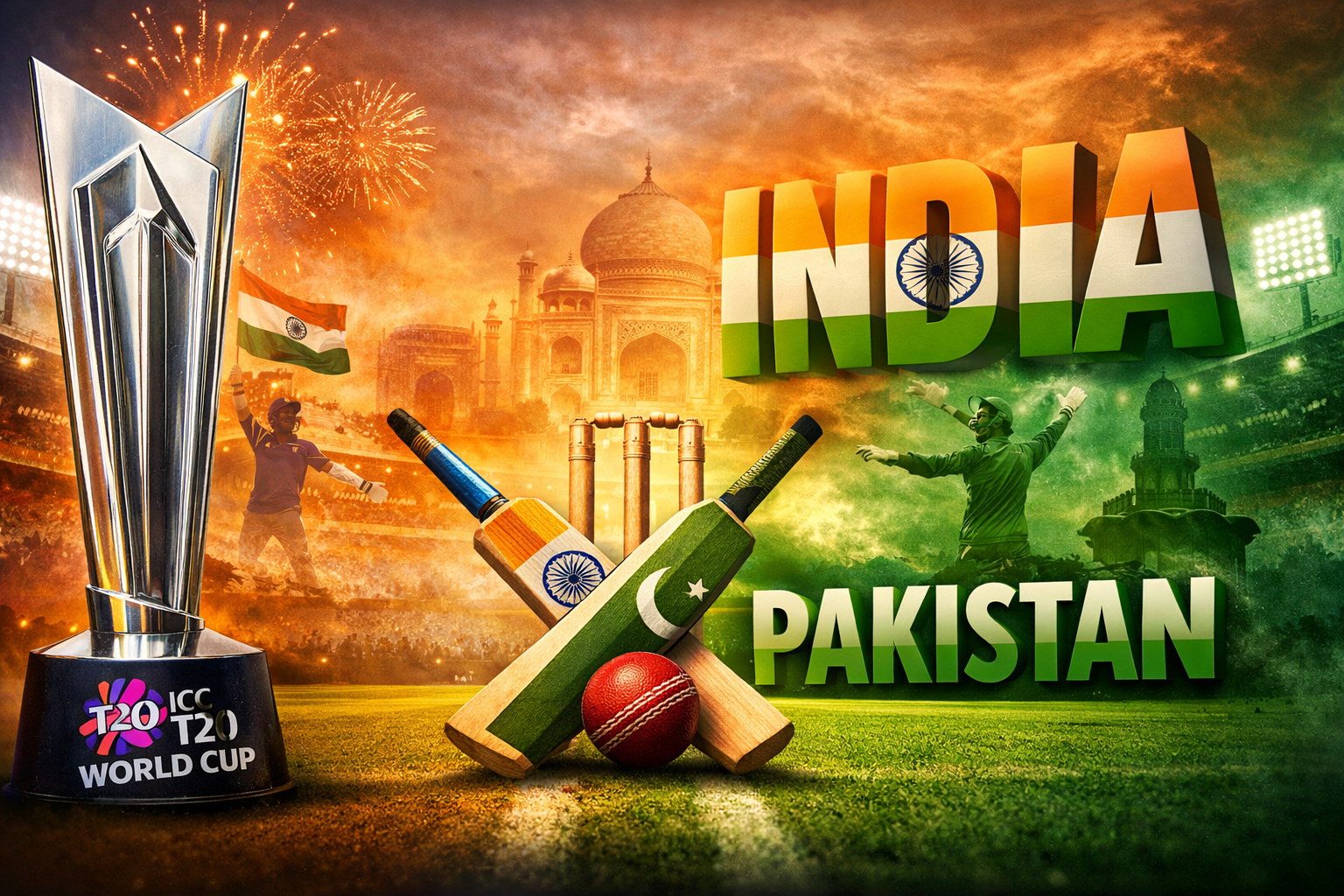

There is indeed a lot happening in the cricket world right now, and it will be fascinating to see how drastically things turn from here. More importantly, the way this crisis is resolved could define what the “best possible solution” truly looks like when the ideals of sportsmanship collide with real-world complexities.
ICC Crisis: Key Developments, Stakeholders & Possible Outcomes
| Category | Details |
|---|---|
| Governing Body Involved | International Cricket Council (ICC) |
| Nature of Issue | Serious internal disagreement among cricket boards leading to participation and scheduling conflict |
| Primary Trigger | Bangladesh Cricket Board (BCB) denied participation in an upcoming marquee ICC event |
| BCB Request | Requested ICC to shift their matches out of India |
| ICC Response to BCB | ICC denied the request |
| Replacement Team | Scotland was allowed to participate at the last moment |
| Pakistan’s Position | Pakistan decided not to play against India |
| Reason Cited by Pakistan | Standing in solidarity with Bangladesh |
| Initial Pakistan Statement Source | Government of Pakistan Twitter handle |
| Prime Minister’s Statement | PM Shehbaz Sharif stated Pakistan will not play against India to stand in solidarity with Bangladesh and emphasized keeping sports free from politics while maintaining sportsmanship |
| Impact on Tournament | Creates uncertainty around fixtures, participation, and tournament integrity |
| Stakeholders Affected | ICC, PCB, BCB, Star Sports (Official Broadcaster), Fans, Players, Commercial Partners |
Most Likely Scenarios & Outcomes
| Scenario No. | Possible Outcome | Explanation |
|---|---|---|
| 1 | ICC bans or sanctions Pakistan Cricket Board | ICC may impose a ban or heavy sanctions for refusing to honor scheduled fixtures, consistent with its past approach to enforcing compliance and protecting tournament integrity |
| 2 | Legal action by Star Sports | Star Sports may file a case against PCB due to disruption of high-revenue India vs Pakistan matches and breach of broadcast expectations |
| 3 | Negotiated middle ground | ICC may negotiate with PCB to ensure participation, depending on how far the issue escalates and willingness to de-escalate |
Detailed Repercussions Analysis
| Aspect | Details |
|---|---|
| Disciplinary Risk | Ban or sanctions against PCB could impact competition quality, finances, and viewership |
| Commercial Risk | Broadcaster revenue and advertising plans are at risk due to potential loss of marquee fixtures |
| Governance Challenge | ICC’s authority and ability to keep member boards aligned is being tested |
| Precedent Setting | Decisions taken could influence how future political or administrative conflicts are handled |
| Fan Impact | Fans face uncertainty as tournaments shift from sporting spectacle to administrative standoff |
| Player Impact | Players may be caught between governance decisions and national stances |
Overall Significance
| Key Point | Explanation |
|---|---|
| Core Issue | Fragile balance between cricket administration, national interests, and commercial realities |
| Current Situation | One of the most talked-about governance challenges in recent cricket history |
| Future Outlook | Outcome will shape the immediate future of international cricket |
| Central Question | Whether enforcement, legal confrontation, or compromise emerges as the best possible solution |