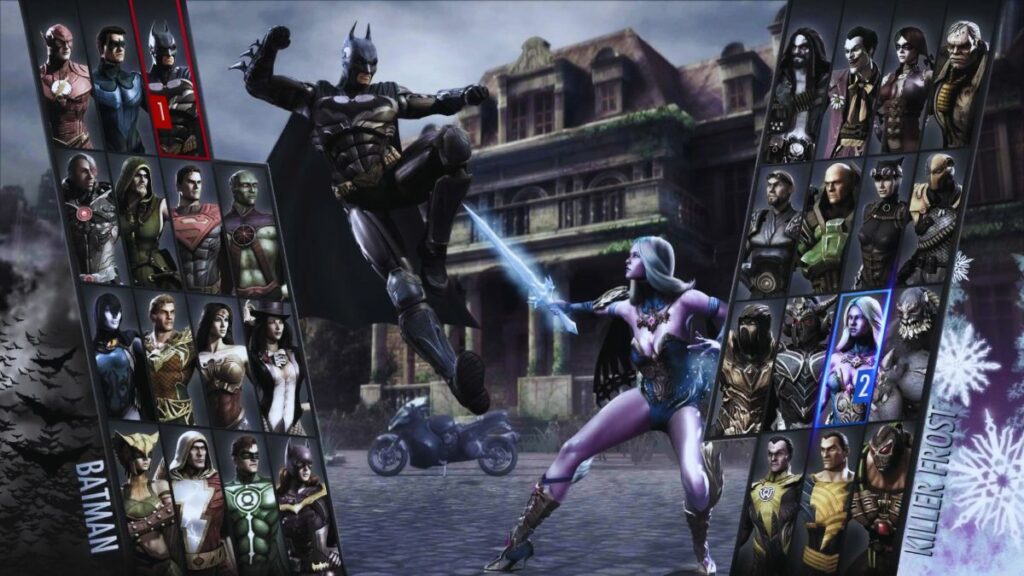
“Injustice: Gods Among Us” is more than just a video game; it is an epic narrative that explores the darker side of superheroes and the consequences of absolute power. Developed by NetherRealm Studios and released in 2013, the game takes place in an alternate DC Comics universe where the lines between good and evil blur, and justice itself becomes the very catalyst for injustice. As players delve into this gripping storyline, they are confronted with thought-provoking themes of power, morality, and the extent to which individuals will go to achieve their vision of justice.
Also Read: How to Increase Your Rank in Valorant
The Premise:
At its core, Injustice: Gods Among Us revolves around a world where Superman has been tricked into killing Lois Lane, leading him to inadvertently destroy Metropolis in a fit of grief and rage. This tragic event propels Superman towards a path of darkness, as he decides to take matters into his own hands to prevent further harm to the world. Believing that the current system of justice is flawed, he establishes a totalitarian regime with superheroes as enforcers, aiming to create a peaceful world through forceful means.
The Battle Lines:
With the Justice League divided into those who follow Superman’s lead and those who oppose his actions, the stage is set for an all-out war between iconic superheroes. Batman, Wonder Woman, The Flash, Green Lantern, and others find themselves fighting against their former allies, attempting to restore the balance of power and bring an end to Superman’s authoritarian rule.

The Themes:
1. Power and Corruption: One of the central themes of Injustice is how absolute power can corrupt even the most virtuous individuals. Superman, who once stood for truth and justice, succumbs to grief and anger, becoming a ruthless dictator. This serves as a stark reminder that no one is immune to the seductive allure of power.
2. The Moral Dilemma: The game forces players to confront difficult moral choices as they align themselves with either Superman’s Regime or Batman’s Insurgency. It poses the question: Is it ever justifiable to sacrifice individual freedoms for the sake of a greater good?
3. Loss and Redemption: Characters like Batman and Green Arrow grapple with feelings of guilt and responsibility for their failure to prevent the tragedy that set this chain of events in motion. Redemption arcs are prevalent as characters strive to right their wrongs and restore a sense of justice to the world.
4. The Human Element: Amidst the grand battles and cosmic confrontations, the game successfully portrays the human element in each character. It demonstrates that even the most powerful beings have vulnerabilities, emotions, and weaknesses.
Impact and Legacy:
Injustice: Gods Among Us received critical acclaim for its compelling storyline, innovative gameplay mechanics, and breathtaking graphics. The game’s success spawned a sequel, “Injustice 2,” which further explored the ramifications of the alternate universe while adding new characters to the roster.
Beyond the gaming world, Injustice has inspired comic book tie-ins and animated movies, expanding the narrative to a wider audience. Its popularity showcased the appetite for darker, morally complex stories in the superhero genre.
Injustice: Gods Among Us transcends its status as a mere video game and becomes a powerful exploration of the ethical dilemmas faced by superheroes. The game’s gripping narrative and thought-provoking themes have solidified its place as one of the most memorable and impactful works in the DC Comics universe. It stands as a testament to the enduring fascination with exploring the darker shades of justice, power, and redemption in a world filled with extraordinary beings.