5 Things You Need to Keep in Mind While Building a Pickleball Court in India:
Pickleball is slowly but surely finding its feet in India. From metro cities to gated communities and private sports clubs, interest in the sport is growing across age groups. However, building a successful pickleball court in India is not just about laying a surface and installing a net. It requires long-term thinking, operational planning, and a deep understanding of how the Indian sports ecosystem works.
If you are planning to build a pickleball court—whether as a commercial academy, a private club, or a community-led initiative—here are five critical things you must keep in mind.
1. Drainage System Is Non-Negotiable in Indian Conditions
India’s weather conditions make drainage one of the most important aspects of pickleball court construction. Monsoon seasons in many parts of the country can last for months, and poor drainage can completely halt court operations.
Waterlogging not only damages the playing surface but also forces cancellations, leading to revenue loss and dissatisfied players. For court owners and coaches who depend on daily sessions for their livelihood.
A well-designed drainage system ensures that rainwater is quickly diverted away from the court surface. Slight court gradients, proper sub-base layers, and peripheral drains are essential to keep the court playable soon after rainfall. Investing in drainage during construction may increase upfront costs, but it saves long-term repair expenses and ensures uninterrupted operations throughout the year.
In India, where unpredictable weather is a reality, drainage is not an optional add-on—it is a foundational requirement.

2. Lights and High Quality Courts:
Pickleball courts in India often see peak footfall after office hours, especially between 7 PM and 10 PM. Without proper lighting, these prime hours are wasted, directly impacting utilization and revenue.
High-quality LED floodlights with uniform illumination are essential to ensure visibility, safety, and a professional playing experience. Poor lighting leads to eye strain, misjudged shots, and an overall decline in play quality, which can discourage regular players from returning.
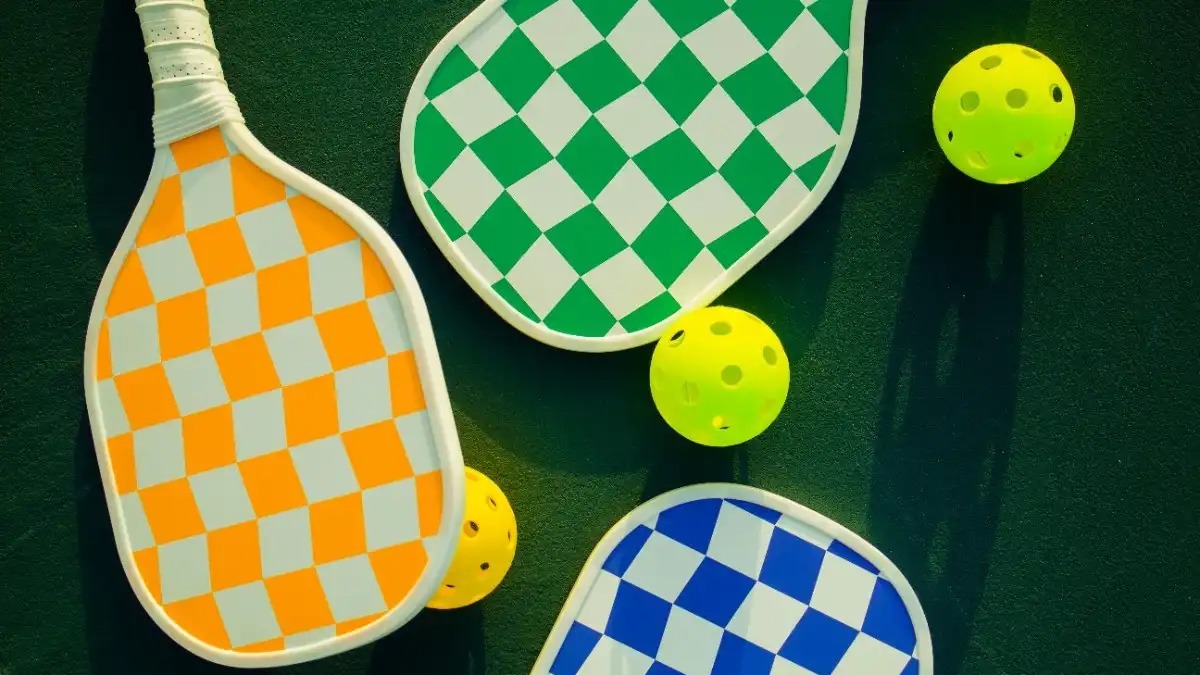
Along with lighting, equipment quality matters just as much. Nets, paddles, balls, and court surfaces should meet international standards wherever possible. Substandard equipment gives a poor first impression and reduces player retention.
When people are new to a sport, their early experiences decide whether they continue or quit. Providing top-quality infrastructure helps players take the sport seriously and feel confident about investing their time and money into pickleball.
3. Community Building Is the Hardest—but Most Important—Task
Pickleball is still a relatively new sport in India. Unlike cricket or badminton, there is no existing mass player base that will automatically fill your courts. Acquiring customers requires building a community from scratch.
. Court owners need to actively engage with players through beginner sessions, social mixers, open play formats, and local tournaments. Creating a welcoming environment for first-time players is essential, as many people may be unfamiliar.
WhatsApp groups, social media communities, and offline events play a huge role in retaining players. A strong pickleball community transforms your court from a rental facility into a social hub, where players return not just to play, but to belong.
In India, sports ecosystems grow around communities, not infrastructure alone.
4. Over-Reliance on Influencer Marketing Can Be Misleading
Many pickleball academies in India engage top influencers to promote their facilities and drive registrations. While influencer marketing can create short-term visibility, it is often not the most effective strategy for a sport that is still in its awareness phase.
Most influencers cater to broad audiences who may not even understand pickleball, leading to low-quality leads and poor conversion rates. This can result in inflated expectations and disappointing outcomes.
Instead, grassroots awareness works better. Local sports communities, housing societies, schools, corporate offices, and fitness groups are far more relevant audiences. Demonstration sessions, trial days, and word-of-mouth referrals build trust more effectively than influencer-driven promotions.
In the early stages of a sport’s growth, education and engagement matter more than viral reach.
5. Brand Identity and Unique Experience Drive Long-Term Success
With more pickleball courts coming up across India, brand identity will become a key differentiator. Simply having a court will not be enough in the long run.
Your academy or facility must stand for something—whether it is high-performance training, beginner-friendly coaching, premium infrastructure, or community-driven play. Defining a clear USP helps players understand why they should choose your court over others.
Customer experience plays a huge role in repeat visits. Clean facilities, organized schedules, courteous staff, transparent pricing, and consistent communication create trust and loyalty. When players feel valued, they return regularly and recommend your court to others.
In a growing sport like pickleball, brand recall and player experience will determine who survives and who fades out.
Final Thoughts
Building a pickleball court in India is an exciting opportunity, but it comes with unique challenges. Success depends on thoughtful planning, infrastructure quality, community engagement, and long-term vision.
Those who focus only on construction may struggle. Those who focus on building ecosystems will lead the future of pickleball in India.
If done right, pickleball courts can become sustainable sports businesses and powerful community spaces—helping the sport grow organically across the country.
5 Things You Need to Keep in Mind While Building a Pickleball Court in India
| Key Aspect | What It Means | Why It Matters in India |
|---|---|---|
| 1. Drainage System Is Non-Negotiable | A well-designed drainage system with proper gradients, sub-base layers, and peripheral drains to prevent waterlogging. | Indian monsoons can last for months. Poor drainage can halt operations, damage court surfaces, cause cancellations, and lead to revenue loss for court owners and coaches who depend on daily sessions. |
| 2. Lights and High-Quality Courts | Installation of high-quality LED floodlights and use of international-standard nets, paddles, balls, and court surfaces. | Peak playing hours are between 7 PM and 10 PM. Poor lighting wastes prime hours, reduces safety and play quality, and discourages repeat players. First impressions matter greatly for a new sport like pickleball. |
| 3. Community Building Is Critical | Actively engaging players through beginner sessions, social mixers, open play formats, local tournaments, and communication groups. | Pickleball does not yet have a mass player base in India. Courts will not fill automatically. Strong communities convert courts into social hubs where players return not just to play, but to belong. |
| 4. Over-Reliance on Influencer Marketing | Avoiding excessive dependence on top influencers for promotions and registrations. | Influencers often attract audiences unfamiliar with pickleball, resulting in low-quality leads. Grassroots awareness through housing societies, schools, corporates, trials, and word-of-mouth works better in the sport’s awareness stage. |
| 5. Brand Identity & Unique Experience | Defining a clear USP such as beginner-friendly coaching, premium infrastructure, or community-driven play, along with consistent service quality. | With more courts coming up, brand recall and customer experience will differentiate long-term winners. Clean facilities, organized schedules, transparency, and courteous staff drive repeat visits and referrals. |
Final Thoughts (Summary Table)
| Focus Area | Impact |
|---|---|
| Infrastructure Planning | Ensures uninterrupted operations and long-term durability |
| Lighting & Equipment | Improves player experience and retention |
| Community Engagement | Drives sustainable growth and loyalty |
| Marketing Approach | Builds trust through education and grassroots awareness |
| Brand Experience | Determines long-term success and repeat customers |