Why India Women’s Cricket Team Must Move Beyond Harmanpreet Kaur and Reset to Become a T20 Giant
Harmanpreet Kaur Leadership:
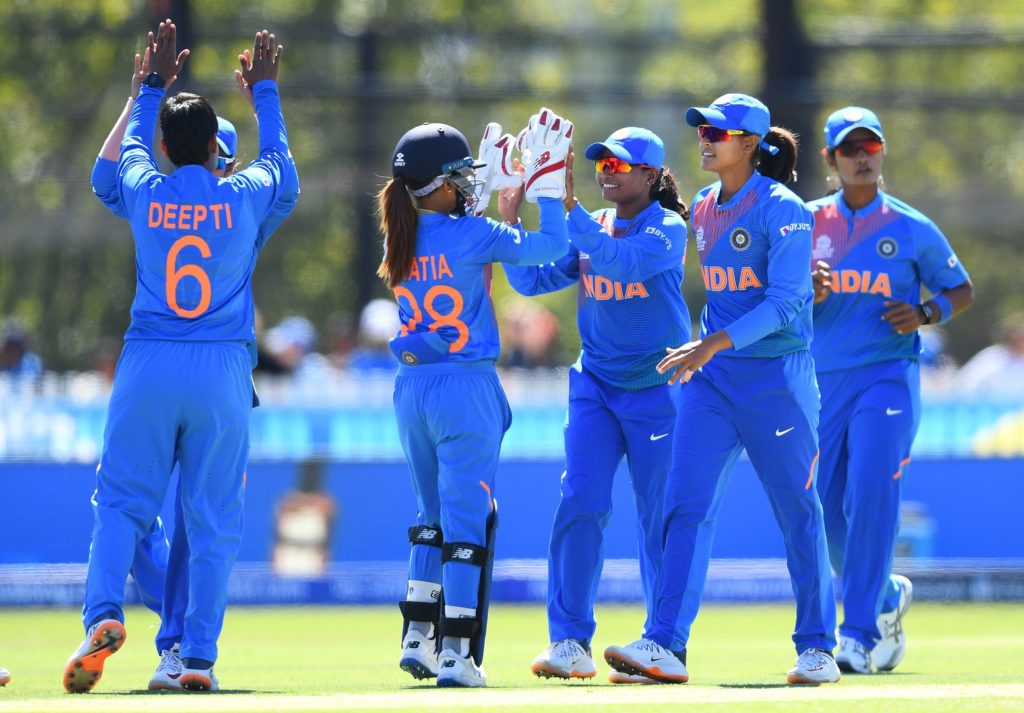
Indian women’s cricket has enjoyed remarkable growth over the past decade. The introduction of the Women’s Premier League (WPL), improved domestic infrastructure, and increasing fan support have transformed the landscape of the game. Yet, despite these advancements, India’s performances in major ICC T20 tournaments continue to fall short of expectations. One of the biggest reasons is the team’s continued overdependence on Harmanpreet Kaur and a familiar core group of players. If India truly wants to dominate world cricket in the coming years, the time has come for a strategic reset rather than another short-term rebuild.
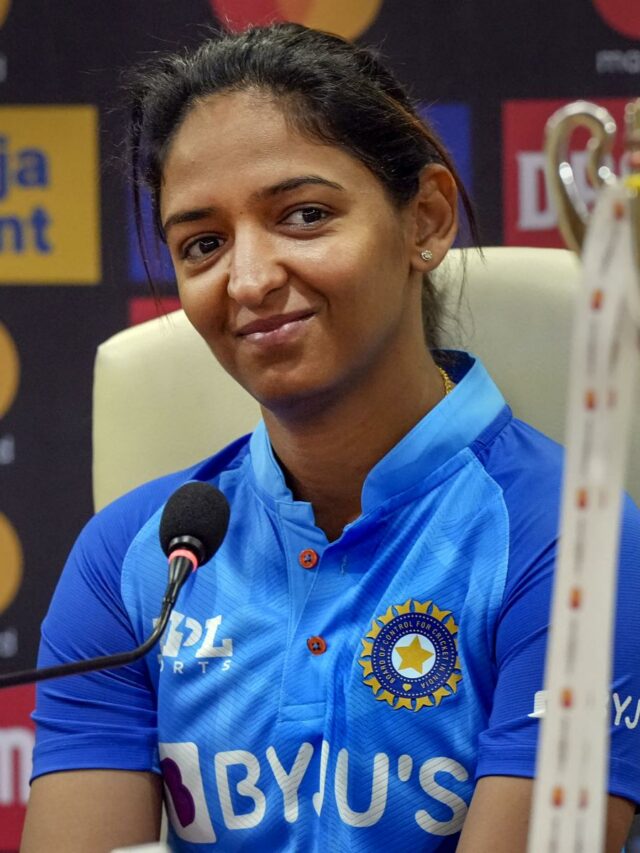

Harmanpreet Kaur has been one of India’s greatest-ever cricketers. Her match-winning innings, fearless leadership, and ability to perform under pressure have inspired an entire generation of young players. However, no successful sporting nation builds its future around a single player. Australia, England, and New Zealand have consistently refreshed their squads by identifying young talent early and gradually integrating them into the senior setup. India must adopt a similar approach before the gap widens further.
The first area requiring attention is succession planning. Several talented youngsters are emerging through domestic cricket and the Women’s Premier League, yet many receive limited international exposure. Instead of relying on experienced names in every series, selectors should identify a core group of young batters, all-rounders, and bowlers who can become regulars over the next World Cup cycle. Exposure today will produce match-winners tomorrow.
Secondly, India needs greater tactical flexibility in T20 cricket. Modern T20 matches demand fearless batting, innovative bowling changes, and aggressive field placements. Too often, India has adopted a conservative approach, allowing opponents to dictate the tempo. Successful teams attack throughout the innings rather than waiting for experienced players to rescue difficult situations.
Another concern is India’s middle-order dependency. Whenever Harmanpreet fails to deliver, the batting lineup often struggles to accelerate during the crucial final overs. A world-class T20 side requires multiple finishers capable of winning matches independently. Building depth across the batting order should become a priority instead of depending on one or two experienced stars.
Fielding also deserves urgent improvement. Australia’s dominance has been built not only on batting and bowling but also on exceptional athleticism. Saving fifteen to twenty runs through fielding can often decide close T20 contests. India possesses talented athletes, but consistent fitness standards and specialist fielding programs must become non-negotiable across the national setup.
Leadership transition is another discussion that cannot be postponed indefinitely. Every successful cricketing nation prepares future captains years before leadership changes occur. Young players should be given opportunities to lead during bilateral series, domestic tournaments, and emerging tours. Developing multiple leaders ensures continuity and reduces pressure whenever senior players retire.
Equally important is embracing data-driven decision-making. Modern cricket increasingly relies on analytics to study matchups, opposition weaknesses, and tactical patterns. India has the resources to become a leader in cricket analytics, yet these insights must consistently influence team selection, batting orders, bowling plans, and in-game strategies.
The Women’s Premier League has already demonstrated the depth of India’s talent pool. Young cricketers have excelled against some of the world’s finest players under pressure. The challenge now lies in translating WPL performances into international opportunities. Consistent selection policies and long-term backing will help emerging players develop confidence at the highest level.
Resetting does not mean moving away from experienced players overnight. Harmanpreet Kaur’s experience remains invaluable, both as a mentor and a senior professional. However, the team’s long-term vision should focus on creating a balanced squad where victories do not depend on one individual. A successful transition combines experience with fearless youth, allowing the next generation to grow without carrying unrealistic expectations.
If India embraces bold selection, modern tactics, superior fitness, and long-term planning, it has every ingredient needed to become a genuine T20 powerhouse. The next era of Indian women’s cricket should not simply be remembered as Harmanpreet Kaur’s final chapter. It should be celebrated as the beginning of a new generation capable of consistently challenging for ICC trophies and establishing India as one of the world’s true T20 giants.
| Section | Details |
|---|---|
| Article Title | Why India Women’s Cricket Team Must Move Beyond Harmanpreet Kaur and Reset to Become a T20 Giant |
| Introduction | Indian women’s cricket has witnessed tremendous growth over the last decade with the rise of the Women’s Premier League (WPL), stronger domestic competitions, and increased fan engagement. However, despite this progress, India has struggled to consistently win major ICC T20 tournaments. One of the key reasons is the team’s heavy reliance on Harmanpreet Kaur and an experienced core. To become a dominant T20 force, India needs a long-term strategic reset rather than another short-term rebuild. |
| Move Beyond Individual Dependency | Harmanpreet Kaur remains one of India’s greatest cricketers, known for her leadership and match-winning ability. However, no successful international team builds its future around one player. Nations like Australia, England, and New Zealand continuously refresh their squads by introducing young talent well before senior players retire. India must adopt a similar succession strategy. |
| 1. Prioritize Succession Planning | India has several talented youngsters emerging through domestic cricket and the Women’s Premier League, but many receive limited international opportunities. Selectors should identify and nurture a core group of young batters, all-rounders, and bowlers who can form the backbone of the next World Cup cycle. Early exposure will prepare them for high-pressure tournaments. |
| 2. Adopt Aggressive T20 Tactics | Modern T20 cricket rewards fearless batting, proactive captaincy, innovative bowling changes, and attacking field placements. India has often played conservatively, allowing opponents to dictate matches. Becoming a T20 powerhouse requires a more aggressive mindset from the very first ball. |
| 3. Strengthen the Middle Order | India’s batting lineup often struggles whenever Harmanpreet Kaur fails to score. A championship-winning T20 team needs multiple finishers capable of winning matches independently. Building batting depth should become a major selection priority. |
| 4. Improve Fielding Standards | Australia’s dominance is built not only on batting and bowling but also on exceptional athleticism. Saving 15–20 runs through superior fielding can change the outcome of close T20 matches. India must invest in higher fitness standards and specialized fielding programs across all levels. |
| 5. Prepare the Next Generation of Leaders | Leadership transition should begin before senior players retire. Young cricketers should captain teams during bilateral series, domestic tournaments, and developmental tours. Developing multiple leadership options ensures continuity and reduces pressure during future transitions. |
| 6. Embrace Data and Analytics | Modern cricket increasingly relies on analytics to study player matchups, opposition weaknesses, and tactical trends. India possesses the resources to become a leader in cricket analytics, but these insights should play a bigger role in team selection, batting order, bowling strategies, and match planning. |
| 7. Maximize the Women’s Premier League | The WPL has highlighted India’s tremendous talent pool. Young players have consistently performed against world-class international cricketers. The next challenge is converting WPL success into sustained international opportunities through consistent selection and long-term backing. |
| Balanced Transition | Resetting the team does not mean replacing experienced players overnight. Harmanpreet Kaur’s experience remains valuable as a leader and mentor. The objective should be to create a balanced squad where success depends on collective performance rather than one individual. |
| Conclusion |
Frequently Asked Question (FAQ)
Q-1-. Why does the India Women’s Cricket Team need a long-term reset beyond Harmanpreet Kaur to become a T20 powerhouse?**
The India Women’s Cricket Team has made significant progress over the past decade, but winning ICC T20 titles requires more than relying on experienced stars like Harmanpreet Kaur. While Harmanpreet remains one of India’s greatest cricketers and an inspirational leader, every successful team eventually prepares for the future by developing the next generation of match-winners. A long-term reset does not mean replacing senior players immediately; instead, it involves creating a balanced squad where young talent gradually takes on greater responsibility alongside experienced campaigners.
The Women’s Premier League has demonstrated that India possesses a deep pool of talented batters, bowlers, and all-rounders capable of succeeding against international opposition. However, these players require consistent opportunities at the highest level instead of being introduced only during injury crises or low-profile bilateral series. Building squad depth will reduce pressure on senior players and provide greater tactical flexibility during major tournaments.
Another reason for a reset is the rapidly evolving nature of T20 cricket. Successful teams now emphasize fearless batting, aggressive captaincy, athletic fielding, specialized roles, and data-driven decision-making. India must embrace these modern approaches while strengthening fitness standards and preparing multiple leaders for the future. Developing finishers, power hitters, death bowlers, and versatile all-rounders should become a strategic priority over the next World Cup cycle.
Most importantly, India’s long-term ambition should be to build a sustainable winning culture rather than depending on individual brilliance. Harmanpreet Kaur’s legacy will always remain secure, but the true measure of success will be how effectively India transitions into its next era. By combining experienced players with fearless youngsters, investing in analytics, and rewarding domestic performances, India can consistently challenge for ICC trophies and establish itself as one of the world’s leading T20 teams for many years ahead.
Related posts: