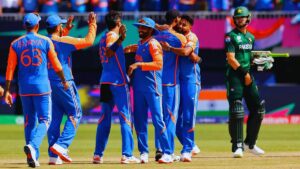
The standoff between the Pakistan Cricket Board (PCB) and the International Cricket Council (ICC) has taken a new turn. After threatening to boycott the highly anticipated match against India at the ICC Men’s T20 World Cup 2026, Pakistan has now presented a list of conditions to reconsider its decision. It appears that the refusal to play has a price, and the PCB is ready to negotiate if their specific demands are met.
On Sunday, a high-stakes meeting took place in Lahore. ICC officials met with PCB leaders to discuss the threatened boycott. During this meeting, Pakistan made it clear that they are willing to change their mind, but only if the ICC agrees to three major requests. These demands cover money, future matches, and even player behavior on the field.
The Background of the Boycott
The tension started earlier this month. On February 1, the government of Pakistan announced that the national team would boycott the match against India. This decision came after a controversy involving Bangladesh. The ICC had removed Bangladesh from the tournament because they refused to travel to India. In response to this removal, Pakistan decided to take a strong stand.
However, the India vs Pakistan (IND vs PAK) match is known to be the most valuable game in any sporting tournament. It brings in the most viewers and the most money. Knowing this, the PCB feels they have a strong position to bargain. They are using the threat of a boycott to ask for changes that they feel are long overdue.
Demand 1: A Bigger Share of the Pie
The first and perhaps most significant demand from the PCB is financial. Pakistan wants a larger share of the revenue that the ICC makes. Currently, the system for sharing money among cricket boards is very uneven.
As the numbers stand today, the PCB receives about 5.75 percent of the ICC’s total revenue. The Pakistani officials feel this number is too low. In contrast, the Board of Control for Cricket in India (BCCI) takes home a much larger portion.The BCCI receives nearly 39 percent of the earnings. While it is true that Indian cricket generates a huge amount of money for the ICC, Pakistan believes the gap is too wide.
During the meeting in Lahore, PCB officials told the ICC that if they want Pakistan to play, they need to increase this payout. They want extra funds to help support and grow cricket in their country. For the PCB, playing in a tournament where they feel underpaid compared to their neighbors is a major sticking point.
Demand 2: Reviving Bilateral Cricket
The second demand goes beyond just money; it is about the game itself. Pakistan has demanded the return of bilateral series with India. A bilateral series is when two teams tour each other’s countries to play matches, outside of big tournaments like the World Cup.
The two nations have not played a bilateral series for a very long time. The last time they played a series against each other was back in 2012/2013. Since that tour, political issues and security worries have put a stop to these tours. For over a decade, India and Pakistan have only faced each other in large, multinational events like the Asia Cup or the World Cup.
Pakistan’s demand is to change this. They want a promise that cricketing ties will be fully restored. This would mean Indian teams visiting Pakistan and Pakistani teams visiting India for regular matches again. It is a bold request, especially since the relationship between the two cricket boards has been cold for years. However, the PCB is insisting that normal cricket relations must be part of the deal if they are to drop their boycott.
Demand 3: The Handshake Issue
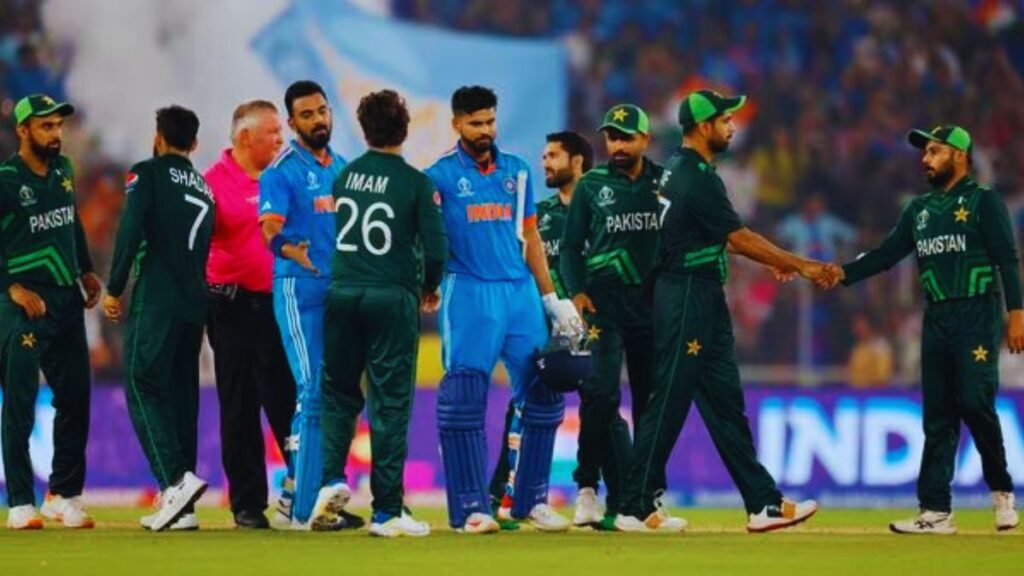
The third demand is quite specific and unusual. The Pakistan team wants an assurance that Indian players will shake their hands after matches. This request stems from recent incidents where sportsmanship seemed to be missing on the field.
According to the PCB, the Indian team has avoided physical contact with Pakistani players in recent times. This issue was highlighted during the Asia Cup 2025. The two teams played three matches during that tournament. Reports state that in all three games, the matches ended without the traditional handshake between the sides.
This trend did not stop there. Similar incidents were reported at the ICC Women’s World Cup and the ACC Rising Stars tournament. Most recently, during the ICC Under-19 World Cup, Indian player Ayush Mhatre reportedly avoided shaking hands with the Pakistani captain.
For the PCB, this is a matter of respect. They want the ICC to ensure that basic sportsmanship is followed. They have made it a condition that if they play the T20 World Cup match, the Indian team must shake hands with them, treating them with the same courtesy shown to other teams.
What Happened at the Lahore Meeting?
The meeting in Lahore on Sunday was intense. The ICC sent Deputy Chairman Imran Khawaja and Mubashir Usmani, who represents Associate Members, to speak with the Pakistani officials. They were hosted by PCB chief Mohsin Naqvi and Salman Naseer, the head of the Pakistan Super League (PSL).
While the PCB laid out their demands, the ICC also had a strong message. The international body warned Pakistan about the consequences of a boycott. They made it clear that if Pakistan refuses to play the scheduled match against India on February 15 in Colombo, there will be penalties.
The ICC rules say that all member boards must play every match in a tournament. If a team refuses, they can face sanctions. These sanctions could include heavy fines or other punishments that would hurt Pakistan cricket in the long run. The ICC officials listened to Pakistan’s demands but did not promise anything immediately. They simply said they would present these demands to the ICC Board at the next official meeting.
Bangladesh Seeks Compensation
Pakistan is not the only country unhappy with the current situation. Bangladesh is also making demands. After being removed from the tournament for refusing to travel to India, the Bangladesh cricket board is asking for financial compensation.
In addition to money, Bangladesh wants to host a future ICC event to make up for the loss. They are specifically eyeing the Under-19 World Cup in 2028. Like Pakistan, they are trying to get the best possible outcome from a difficult situation. However, just like with Pakistan, the ICC gave no guarantees that these requests would be granted.
Sri Lanka Pushes for a Solution
The situation has also caused worry for Sri Lanka Cricket (SLC). The match between India and Pakistan is scheduled to be held in Colombo. If Pakistan boycotts the game, Sri Lanka stands to lose a lot of money. Hosting such a massive game brings in ticket sales, tourism, and sponsorship money.
Because the financial stakes are so high, the Sri Lankan board has been putting pressure on Pakistan to play. SLC President Shammi Silva reached out directly to PCB Chairman Mohsin Naqvi. Reports suggest that this pressure played a big role in getting the PCB to open up to talks. Sri Lanka cannot afford for the match to be scrapped, and their involvement seems to have helped bring Pakistan to the negotiating table.
The Final Decision
Despite the meeting and the exchange of demands, nothing is signed yet. The ICC officials have left with the list of demands, and the PCB is waiting for a response.
Mohsin Naqvi informed the ICC delegation that he cannot make the final decision alone. He stated that the matter would be taken to the Prime Minister of Pakistan, Shehbaz Sharif. As the patron of the cricket board, the Prime Minister has the final say on such major decisions.
The PCB expects to have a final answer from the Prime Minister very soon, possibly by Monday. Until then, the cricket world waits to see if the demands for money, matches, and handshakes will be enough to save the biggest game of the tournament. The ball is now in the court of the government and the ICC board members.
Related posts: