The race for the T20 World Cup Player of the Tournament is wide open, and this year’s shortlist brings together explosive batters, clever bowlers and a few surprise names from outside the traditional powerhouses. Since the first T20 World Cup in 2007, this award has gone to the standout performer across the whole event, whether with bat, ball or both.
The nominees for the T20 World Cup Player of the Tournament based on their group and knockout performances are:
- Will Jacks (England) – 8 matches, 226 runs, average 56.50, strike rate 176.56, 9 wickets
- Sahibzada Farhan (Pakistan) – 7 matches, 383 runs, average 76.60, strike rate 160.25
- Lungi Ngidi (South Africa) – 7 matches, 12 wickets, economy 7.19
- Aiden Markram (South Africa) – 8 matches, 286 runs, average 47.67, strike rate 165.32, 1 wicket
- Rachin Ravindra (New Zealand) – 8 matches, 128 runs (not listed here), 11 wickets, economy 6.88
- Shadley van Schalkwyk (USA) – 4 matches, 13 wickets, economy 6.80
- Tim Seifert (New Zealand) – 8 matches, 274 runs, average 45.66, strike rate 161.17
- Sanju Samson (India) – 4 matches, 232 runs, average 77.33, strike rate 201.73
This list covers different roles: top‑order hitters, middle‑order anchors, specialist bowlers and multi‑skill cricketers who have changed games with both bat and ball.
Sahibzada Farhan: run machine for Pakistan
Sahibzada Farhan has been the most consistent scorer in this group, piling up 383 runs in just 7 matches. His average of 76.60 shows how rarely he has given his wicket away, while a strike rate of 160.25 proves that he has not sacrificed scoring speed to stay at the crease. For Pakistan at the top of the order, he has set the tone almost every time.
Moreover, Farhan has mixed clean hitting with smart placement. He has been able to start steadily and then lift his tempo once set, which has helped Pakistan post or chase big totals. Because of that, many of their powerplays have looked solid and calm rather than rushed, as they could rely on him to bat deep into the innings.
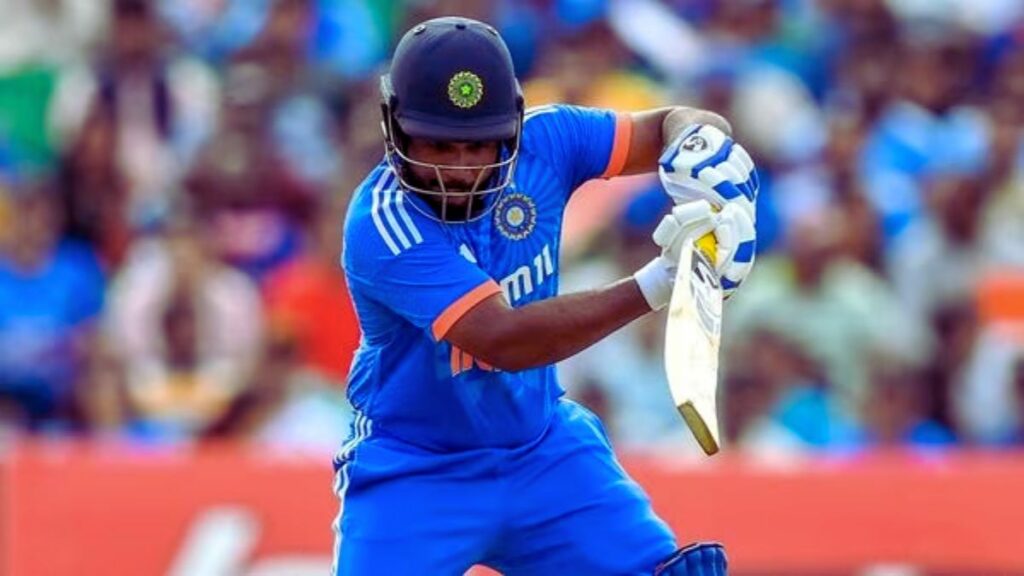
Sanju Samson: India’s explosive game‑changer
Sanju Samson’s numbers stand out even though he has played only 4 matches. He has scored 232 runs at an average of 77.33 and an incredible strike rate of 201.73. That means he is not only staying at the crease but also scoring at more than two runs a ball on average, which is rare in a global event at this level.
In addition, Samson has given India exactly what every T20 side wants at the top or in the middle order: early momentum. His ability to clear the boundary from the start forces captains to change fields and rotate bowlers quickly. Even in short stays, he has tilted games in India’s favour by taking 20–30 runs off an over and putting pressure back on the opposition.
Will Jacks: England’s all‑round spark
Will Jacks has had a strong campaign for England with both bat and ball. With the bat, he has scored 226 runs in 8 matches at an average of 56.50, while striking at 176.56. This shows that he has balanced safety and aggression very well. He has often given England fast starts or lifted the scoring rate in the middle overs when the run rate began to slow.
On top of that, Jacks has chipped in with 9 wickets, which adds huge value to his case. Even if his economy rate is not listed, his ability to chip out wickets means England have been able to use him as a genuine sixth bowler. That flexibility in team balance is priceless, as it lets the captain use him to break stubborn partnerships or cover an off day from a front‑line bowler.
Aiden Markram: steady leader for South Africa
South Africa’s captain Aiden Markram has been the glue in their batting line‑up. Across 8 matches, he has scored 286 runs at an average of 47.67 and a strike rate of 165.32. These numbers show that he has combined control with enough power to keep the scoreboard ticking, especially in the middle overs where many teams slow down.
Furthermore, Markram has played the role of a link between the top order and the finishers. When early wickets have fallen, he has rebuilt calmly. When the openers have gone hard and laid a base, he has pushed on and made sure the pressure on the bowlers never dropped. His one wicket may seem minor, but as a part‑time bowler he has also given South Africa extra options in certain match‑ups.
Lungi Ngidi: South Africa’s strike bowler
On the bowling front, Lungi Ngidi has been one of the standout fast bowlers of the tournament. In 7 matches, he has taken 12 wickets at an economy rate of 7.19. In modern T20 cricket, anything close to 7 runs per over is very strong, especially for a fast bowler who often operates in the powerplay and at the death.
Ngidi has used his height and back‑of‑a‑length bowling to good effect. He has made run‑scoring tough on pitches with a bit of bounce, and his changes of pace have worked late in the innings. As a result, he has often either given South Africa early breakthroughs or kept runs in check in the final overs, both of which are key tasks in this format.
Rachin Ravindra: New Zealand’s all‑round workhorse
Rachin Ravindra may not have a headline batting number in this list, but his work with the ball has kept New Zealand in control during many games. He has taken 11 wickets in 8 matches at a tight economy of 6.88. This economy rate stands out, because it shows that he has managed to slow down scoring even on flat pitches.
At the same time, Ravindra’s batting, though not detailed here, remains an important part of New Zealand’s structure. He can bat anywhere in the top or middle order, which gives the team flexibility. With ball in hand, he has operated mostly in the middle overs, tying one end up and forcing batters to take more risks against the other bowlers.
Tim Seifert: New Zealand’s reliable run‑getter
Tim Seifert has been New Zealand’s most reliable batter in this tournament. He has made 274 runs in 8 matches, at an average of 45.66 and a strike rate of 161.17. These figures show that he has been both solid and aggressive, ideal traits for a modern T20 top‑order or middle‑order batter.
Seifert’s strength has been his range. He can hit straight, square and behind the wicket, which makes it hard for captains to set fields. When New Zealand have lost early wickets, he has held the innings together. When they have had a good start, he has pushed on and turned good totals into great ones by attacking the fifth and sixth bowlers.
Shadley van Schalkwyk: USA’s surprise star
One of the most eye‑catching names on this shortlist is Shadley van Schalkwyk from the USA. He has played only 4 matches but already taken 13 wickets at an economy rate of just 6.80. That is a remarkable return in a short span, and it shows how important he has been in every game for his side.
Van Schalkwyk has used smart lines and lengths rather than express pace. He has kept things simple, hitting the top of off stump, using the short ball as a surprise and mixing in cutters on slower pitches. Consequently, he has not only taken wickets but also controlled the flow of runs. For an emerging team like USA, that level of impact with the ball in a global event stands out.
Different paths to the same award
Looking across these eight nominees, one clear theme is that there is no single way to build a strong Player of the Tournament case. Some players, like Sahibzada Farhan and Sanju Samson, have done it mainly with the bat, scoring fast and scoring often. Others, like Lungi Ngidi, Rachin Ravindra and Shadley van Schalkwyk, have led the way with the ball, keeping things tight while striking regularly.
Meanwhile, Will Jacks and Aiden Markram sit in the middle as multi‑skill contenders. Jacks has brought runs and wickets, while Markram has added leadership and stability along with attacking batting. Tim Seifert, on the other hand, shows the value of consistent scoring across many games, even if his bowling numbers are not part of the picture.
Balance of batting and bowling in the shortlist
The shortlist also shows a fair balance between batters and bowlers. Four of the nominees are primarily batters (Farhan, Samson, Markram, Seifert), two are all‑rounders with clear bowling roles (Jacks, Ravindra), and two are specialist bowlers (Ngidi, van Schalkwyk). This mix reflects how T20 World Cups often reward players from both sides of the game, not just big hitters at the top.
In many matches this year, pitches have offered something to both bat and ball, which has allowed bowlers to stay in the contest. When bowlers like Ngidi or van Schalkwyk have kept things tight, batters such as Samson, Farhan or Seifert have responded in other games with counter‑attacks that changed the course of the match.
A strong field of T20 World Cup player of the tournament contenders
All in all, the T20 World Cup Player of the Tournament nominees list reads like a snapshot of modern T20 cricket. It rewards fearless batting from the likes of Sanju Samson and Sahibzada Farhan, smart all‑round efforts from Will Jacks and Rachin Ravindra, and high‑class bowling from Lungi Ngidi and Shadley van Schalkwyk. Alongside them, Aiden Markram and Tim Seifert underline the importance of steady scoring across an entire campaign.
Each of these players has shaped key moments for their teams through this World Cup. Whether through early powerplay bursts, tight middle‑over spells or calm finishes with bat in hand, they have all left a clear mark on this edition of the tournament and earned their place in the conversation for the T20 World Cup Player of the Tournament award.