Sportzcraazy

Pickleball vs Padel Market Analysis 2026: Which Sport Is Winning in India and Globally?

Pickleball vs Padel Market Analysis 2026: India and the World – Who Is Winning?

The global racquet sports industry is undergoing one of its biggest transformations in decades. While tennis continues to dominate traditional participation, two emerging sports—pickleball and padel—are reshaping the recreational and commercial landscape. Both sports have witnessed exponential growth in participation, infrastructure, sponsorship, and investment, but their trajectories differ significantly across regions.

In 2026, the debate is no longer about whether these sports will grow; it is about which one is winning the commercial race.
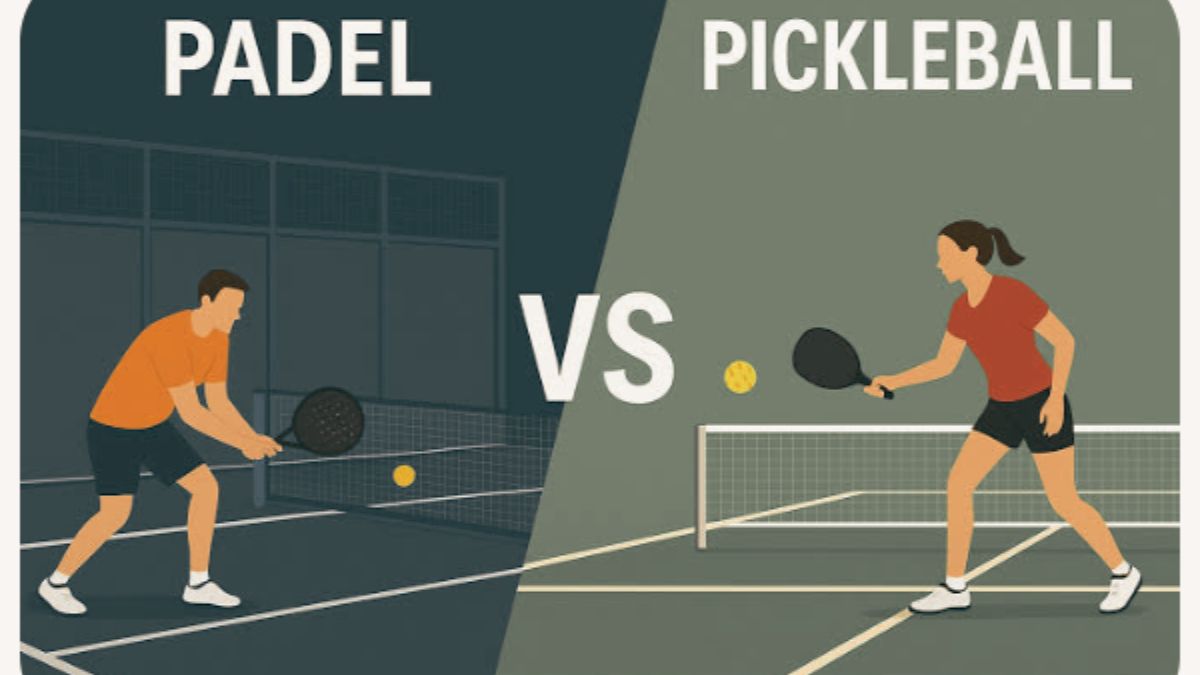


Global Market Overview: 

Globally, padel currently enjoys a larger and more mature ecosystem. Originating in Mexico and becoming a sporting phenomenon across Spain, Europe, and Latin America, padel has established itself as one of the world’s fastest-growing sports. Millions of active players, thousands of clubs, professional tours, and increasing investments from global sports brands have positioned padel as a mainstream sport in several countries.

Pickleball, on the other hand, has experienced unprecedented growth in North America. The United States remains the biggest market, with millions of recreational players joining the sport over the past few years. Major League Pickleball, celebrity investors, broadcasting partnerships, and substantial venture capital funding have transformed pickleball into a billion-dollar business opportunity.

While padel leads in global participation, pickleball is currently attracting faster commercial investments, particularly in media, sponsorships, equipment, and franchise-based leagues.
 

Pickleball’s Rise in India: 

India has quickly emerged as one of Asia’s fastest-growing pickleball markets. From just a handful of courts a few years ago, the country now boasts more than 1,200 dedicated and converted courts, with new facilities opening almost every week.

Industry estimates suggest that India has over 150,000 active pickleball players in 2026, driven by urban professionals, corporate communities, schools, and fitness enthusiasts. Metropolitan cities such as Mumbai, Bengaluru, Delhi NCR, Hyderabad, Pune, and Ahmedabad continue to lead participation, while Tier-2 cities are rapidly joining the movement.

One of pickleball’s biggest strengths is accessibility. Courts require relatively low investment, matches are easy to learn, and the sport appeals to children, adults, and senior citizens alike. These factors have encouraged entrepreneurs, sports clubs, and real estate developers to invest in pickleball infrastructure.

The sport has also benefited from increasing corporate sponsorships, digital content creators, and media coverage, helping it move beyond being merely a recreational activity.

Padel’s Emerging Opportunity in India: 

Although pickleball currently enjoys greater visibility, padel is slowly building momentum in India. Premium sports clubs, luxury residential communities, and private investors are introducing padel courts in metropolitan regions.

Padel demands larger court dimensions and higher infrastructure costs compared to pickleball. However, it offers an exciting spectator experience with glass-wall rallies, making it attractive for commercial leagues and broadcasting.

Several entrepreneurs believe padel has long-term potential, especially among premium consumers willing to invest in club memberships and organised competitions. International padel brands are also exploring partnerships with Indian operators to expand the sport’s footprint.

However, compared to pickleball, India’s padel ecosystem remains at an early stage with limited courts, tournaments, and certified coaches.

Infrastructure Comparison: 

Infrastructure remains one of the biggest differentiators between both sports.

Pickleball courts are relatively inexpensive to build and can often be created by converting existing badminton or tennis facilities. This allows sports academies and entrepreneurs to recover investments quickly while serving a larger number of participants.

Padel courts require specialised glass walls, steel structures, artificial turf, and higher construction costs. While this creates premium playing experiences, it also slows expansion in emerging markets.

From an investment perspective, pickleball currently offers faster scalability in India.

Infrastructure is all about acting as Supporting Services which will propel the growth of Sports in the country. 

Infrastructural investment is the key, without laying out basic facilities you can’t accept progress to take place. 


Sponsorship, Media and Commercial Growth: 

Commercially, pickleball is moving at an extraordinary pace.

Global sports brands, equipment manufacturers, technology companies, and lifestyle businesses are actively entering the pickleball ecosystem. Professional leagues are attracting investors, while digital creators are producing educational and entertainment content around the sport.

India is witnessing a similar trend, with tournaments receiving sponsorship support and brands recognising pickleball’s affluent and health-conscious audience.

Padel continues to dominate in European markets through professional tours, international federations, and established club systems. However, India’s sponsorship ecosystem for padel is still developing.

Media exposure also favours pickleball, particularly across YouTube, Instagram, and creator-led platforms where instructional videos and recreational content generate strong engagement.

Challenges Ahead

Despite rapid growth, both sports face common challenges.

India requires more certified coaches, structured junior development pathways, ranking systems, sports science integration, and sustainable tournament calendars.

Pickleball must avoid fragmented governance while ensuring consistent standards across tournaments and academies.

Padel needs significant investment in infrastructure, grassroots awareness, and accessibility before achieving mass adoption.

Without long-term planning, both sports risk slowing their current momentum.

Final Perspective: Who Is Winning in 2026?

The answer depends on geography.

Globally, padel remains the bigger sport due to its established international presence, professional ecosystem, and widespread participation across Europe and Latin America.

In India, however, pickleball is clearly leading the race. Lower infrastructure costs, easier accessibility, stronger community participation, increasing sponsorships, and expanding media coverage have given pickleball a significant first-mover advantage.

Nevertheless, this is not a winner-takes-all contest. Much like badminton and tennis coexist successfully, pickleball and padel are likely to serve different audiences while expanding the overall racquet sports economy.

The coming five years will determine whether India becomes Asia’s pickleball powerhouse or whether padel accelerates its growth through premium clubs and international investment.

One thing is certain: the racquet sports industry has entered a new era, and both pickleball and padel are poised to redefine how millions of people play, compete, and consume sport in the years ahead.


Parameter Pickleball Padel Who Leads in 2026?
Global Presence Dominant in North America, especially the United States Strong presence across Europe, Spain, Latin America and the Middle East Padel
Global Participation Millions of players with rapid annual growth Larger global player base with established club culture Padel
Commercial Investment Heavy investment from venture capital, celebrity investors, professional leagues and media Strong club investments and professional tours Pickleball
Professional Ecosystem Major League Pickleball, expanding international tournaments Mature professional tours and international federations Padel
Market Maturity Emerging but expanding rapidly More mature global ecosystem Padel
Growth Rate Fastest-growing racquet sport in North America Continues strong growth across Europe and new markets Pickleball (Growth Rate)
Indian Market Position Fastest-growing racquet sport with nationwide expansion Early-stage market with limited presence Pickleball
Estimated Active Players (India 2026) 150,000+ Significantly lower, niche community Pickleball
Number of Courts (India) 1,200+ dedicated and converted courts Limited number of premium courts Pickleball
Infrastructure Cost Lower construction cost; existing courts can be converted High construction cost due to glass walls, turf and steel structure Pickleball
Ease of Expansion Highly scalable across schools, clubs and residential societies Expansion slower due to infrastructure investment Pickleball
Accessibility Suitable for children, adults and senior citizens More physically demanding and premium positioning Pickleball
Learning Curve Easy for beginners Moderate; requires wall-play skills Pickleball
Court Requirements Smaller courts; conversion-friendly Dedicated enclosed courts required Pickleball
Investment Recovery Faster ROI due to lower setup cost and higher utilisation Longer ROI because of higher capital expenditure Pickleball
Spectator Experience Improving through leagues and broadcasts Highly entertaining rallies using glass walls Padel
Broadcast Appeal Growing through digital platforms and creator economy Strong appeal through professional international tours Padel
Media Coverage (India) Increasing rapidly across YouTube, Instagram and digital media Limited media exposure Pickleball
Sponsorship Landscape (India) Growing corporate sponsorships and brand partnerships Emerging but still developing Pickleball
Target Audience Mass participation across all age groups Premium clubs and urban sports enthusiasts Pickleball (Mass Market)
Grassroots Development Expanding through communities and academies Still in early development Pickleball
Challenges Governance, coach development, junior pathways, tournament structure Infrastructure cost, awareness and accessibility Both
Future Potential in India Strong first-mover advantage with rapid expansion High potential in premium urban markets Pickleball (Current Leader)
Global Winner (2026) Fastest commercial growth Largest international ecosystem Padel
India Winner (2026) Clear leader in participation, infrastructure and commercial momentum Emerging challenger Pickleball

Overall Verdict

Region Winner Reason
Global Market Padel Larger player base, mature club ecosystem, widespread international presence and professional tours.
India Pickleball Lower infrastructure costs, 1,200+ courts, 150,000+ active players, stronger community adoption, increasing sponsorships and wider media coverage.
Commercial Growth Pickleball Faster investments in leagues, media, equipment, creators and franchise-based models.
Long-Term Outlook Both Sports Pickleball is expected to dominate mass participation, while padel is likely to grow within premium clubs and urban markets, expanding India’s overall racquet sports ecosystem.

Frequently Asked Questions (FAQs)
Q1. Which sport is bigger globally in 2026: Pickleball or Padel?

Answer: Padel currently enjoys a larger global footprint than pickleball. It has a well-established presence across Spain, Italy, Sweden, Argentina, Mexico and several Middle Eastern countries, supported by thousands of clubs, professional tournaments and millions of active players. Pickleball, however, is witnessing faster commercial growth, particularly in the United States, where professional leagues, celebrity investors and sponsorship deals are driving its expansion. While padel leads in global participation, pickleball is closing the gap through rapid investment and media exposure.

Q2. Why is pickleball growing faster than padel in India?

Answer: Pickleball has gained a significant first-mover advantage in India because it is affordable, easy to learn and requires relatively low infrastructure investment. Existing badminton and tennis courts can often be converted into pickleball courts, allowing clubs and entrepreneurs to expand quickly. The sport also appeals to children, working professionals and senior citizens, making it suitable for mass participation. Increasing corporate tournaments, social communities and digital content have further accelerated its popularity.

Q3. Is padel a better commercial opportunity than pickleball?

Answer: The answer depends on the market. Globally, padel offers a mature commercial ecosystem with established clubs, professional tours and premium memberships. In India, however, pickleball currently presents greater opportunities due to its lower entry costs, faster scalability and growing consumer demand. Padel remains attractive for premium sports clubs and luxury residential projects but requires higher capital investment and specialised infrastructure.

Q4. What are the biggest challenges facing both sports in India?

Answer: Despite impressive growth, both sports face several structural challenges. India needs more certified coaches, stronger grassroots programmes, junior development pathways, standardised ranking systems and sustainable tournament calendars. Pickleball must also address governance issues to ensure consistent regulations, while padel needs greater awareness and infrastructure to achieve widespread adoption. Long-term success will depend on building robust sporting ecosystems rather than relying solely on recreational participation.

Q5. Which sport is likely to dominate India’s racquet sports market over the next five years?

Answer: Pickleball appears better positioned to dominate India’s mass-participation market because of its affordability, accessibility and rapidly expanding infrastructure. However, padel is expected to carve out a strong niche among premium clubs and urban consumers seeking a high-end sporting experience. Rather than replacing one another, both sports are likely to coexist, serving different audiences while contributing to the growth of India’s racquet sports industry.

Question Answer
1. Which sport is bigger globally in 2026: Pickleball or Padel? Padel currently has the larger global ecosystem, with millions of players across Spain, Italy, Sweden, Argentina, Mexico and the Middle East. It benefits from established clubs, professional tours and strong governing structures. Pickleball, however, is experiencing faster commercial growth, particularly in the United States, where professional leagues, celebrity investments, sponsorships and media rights are expanding rapidly. While padel leads in global participation, pickleball is narrowing the gap through aggressive commercialisation.
2. Why is pickleball growing faster than padel in India? Pickleball’s rapid rise in India is driven by its affordability, simple rules and low infrastructure costs. Existing badminton and tennis courts can be converted into pickleball courts with minimal investment, enabling faster expansion. The sport appeals to players of all age groups—from children to senior citizens—and is gaining traction through corporate tournaments, residential communities, schools and digital content creators.
3. Is padel a better commercial opportunity than pickleball? The answer depends on the market. Globally, padel offers a mature commercial ecosystem with premium clubs, international tournaments and strong membership models. In India, pickleball currently provides better commercial opportunities because of lower setup costs, quicker scalability and increasing consumer demand. Padel remains attractive for luxury clubs and premium real estate projects but requires significantly higher investment.
4. What are the biggest challenges facing both sports in India? Both sports require stronger grassroots development to sustain long-term growth. Key challenges include the shortage of certified coaches, structured junior development programmes, national ranking systems, sports science support and consistent tournament calendars. Pickleball also needs unified governance and standardised competition structures, while padel must improve awareness, accessibility and infrastructure to achieve wider adoption.
5. Which sport is likely to dominate India’s racquet sports market over the next five years? Pickleball is expected to lead India’s mass-participation market due to its affordability, accessibility and rapidly expanding infrastructure. Padel is likely to establish itself as a premium racquet sport, targeting luxury clubs, urban communities and high-end consumers. Rather than competing directly, both sports are expected to coexist and collectively expand India’s racquet sports ecosystem over the coming years.
Exit mobile version