While cricket remains India’s undisputed religion and badminton its quiet powerhouse, a new contender has breached the Indian sports landscape with unprecedented speed: Pickleball.
By 2026, the global paddle sport phenomenon has firmly rooted itself across urban India. What started as an obscure recreational activity played in corporate hubs and elite housing complexes has transformed into a high-growth commercial ecosystem. Yet, despite eye-popping growth rates and media buzz, India’s pickleball market penetration remains in its extreme infancy.
For investors, entrepreneurs, and sports executives, this early-stage white space represents one of the largest untapped opportunities in Asian sports business today.
The 2026 India Market Snapshot
To understand where pickleball stands in India today, it helps to examine the numbers driving the sport’s rapid rise.
Key Metric 2026 India Benchmark Market Trajectory
Active Player Base ~150,000+ Regular Players 250%+ Growth (YoY)
Operational Courts 1,200+ Dedicated / Converted Courts Adding 40–50 courts monthly
Primary Markets Mumbai, Bengaluru, Delhi NCR, Hyderabad Expanding to Tier-2 Cities
Court ROI Timeline 8 to 14 Months High Yield per Sq. Ft.
Estimated Market Penetration < 0.05% of Addressable Sports Population Early Adoption Phase
“Pickleball is achieving in three years what traditional racket sports took decades to build in India—yet we haven’t even scratched 1% of the potential consumer base.”
Why Is Market Penetration Still So Low?
Despite the sport’s viral momentum, several structural factors keep overall penetration at a fraction of its total addressable market (TAM):
Geographic Concentration: Over 70% of courts and active players remain concentrated in Tier-1 metropolitan areas. Tier-2 and Tier-3 hubs—like Jaipur, Ahmedabad, Chandigarh, and Kochi—are only now witnessing initial court developments.
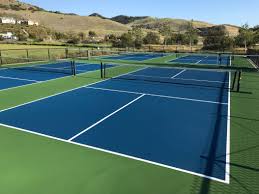
Urban Real Estate Constraints: In dense metros like Mumbai and Bengaluru, land costs represent a significant barrier. While pickleball requires only one-quarter the footprint of a tennis court, finding indoor or covered spaces with adequate vertical clearance remains challenging.
Awareness vs. Accessibility: While awareness is skyrocketing on social media, physical access to courts still lags behind player demand, resulting in long waiting lists during peak evening and weekend hours.
Dominance of Legacy Sports: Cricket, badminton, and football consume over 90% of grassroots sports infrastructure and sponsorship budgets in India.
The 6 Pillars of the Indian Pickleball Ecosystem
Because market penetration is still low, the biggest commercial returns over the next decade will not go solely to elite athletes—they will go to the builders constructing the infrastructure around the sport.
1. Infrastructure & Real Estate Transformation
Sports facility operators are realizing that replacing a single underperforming tennis court with 3 or 4 pickleball courts drastically boosts revenue per square foot.
2. Professional Leagues & Commercial Media
The launch of dedicated domestic franchises—such as the Indian Pickleball League (IPL)—and partnerships with international bodies (PPA Tour and Major League Pickleball) have brought corporate sponsorship, broadcast coverage, and celebrity team owners into the fold.
3. Equipment & Retail Manufacturing
Historically reliant on expensive imports from the US, the Indian market is witnessing a wave of domestic manufacturing. Local brands are producing high-performance carbon-fiber paddles and tournament-grade balls tailored to local price points, making entry affordable for casual players.
4. Sports-Tech & Community Platforms
Court-booking apps like KheloMore and global ranking engines (DUPR) have digitized player engagement. Automated match-making, skill-tiering, and local tournament management apps are turning casual weekend players into hyper-engaged community members.
5. Corporate Wellness & Social Lifestyle
Pickleball has emerged as the preferred sport for corporate wellness programs. Its short learning curve allows beginners to play competitive rallies within 20 minutes, driving high corporate event bookings during off-peak weekday hours.
6. Grassroots & Educational Integration
State associations under the All India Pickleball Association (AIPA) are introducing coaching certifications and school programs, establishing structured pathways from grassroots play to professional status.
Looking Ahead: The Decade of Exponential Growth
India’s pickleball story in 2026 closely mirrors the early days of turf football or private badminton academies a decade ago. As setup costs remain modest (₹3 to ₹8 Lakhs per court) and player retention stays high, the transition from an urban trend to a national pastime is well underway.

The current low penetration is not a sign of weakness—it is the signature of a ground-floor opportunity. The individuals, brands, and investors who build the infrastructure, supply chains, and media platforms today will shape the multi-million-dollar Indian sports ecosystem of tomorrow.
Related posts: