Chess is regarded as one of the most popular sport in world and credit should be given to all stakeholders who have worked hard behind the scenes to make this entity extremely popular.
Here in this article we will include minute details related to Its Market size, Popularity and Sponsorship Package in detail to be shared in the below format:


Revenue Market Size:
Based on reports from different media outlets, revenue market size across all sports is shared in the below format however before we share that remember we would be sharing estimated market size numbers in the sequential format:
| Tournament ecosystem | ₹180–250 crore |
| Coaching & Academies | ₹250–350 crore |
| Online Chess Platforms | ₹300–450 crore |
| Corporate Chess Events | ₹80–120 crore |
| Equipment & Merchandise | ₹60–80 crore |
| Sponsorship & Media | ₹120–180 crore |
| Total Estimated Market | ₹1,000–1,400 crore |
Let us understand the reason behind the remarkable growth of Chess to be shared in the below format:
1. Chess as Sport is played across different levels which include- Rapid, Blitz, Classics and Many More which makes it even more exciting for viewers to watch it.
2. India has become home to World Champions
3. Low Cost Participation in Sports
4. Several Website like Chess Base India and Streamer Samay Raina did a lot to promote sports in the country especially in pandemic.
5. Strong School adoption and involvement of Corporate in Sports.
6. Government and Federation Initiatives to promote this sport.
Major Sponsor Investing in Chess:
There are several sponsors who are investing in Chess which include-
- Tech Mahindra
- Tata Steel
- Chess.com
- Jio
- Coinswitch
- Nodwin Gaming
Industry observers, predict that sponsorship demands have risen exponentially due to rise of Sports.
Major Tournaments/ Leagues Happening in Chess for the year 2026 to be shared in the below format:
- Global Chess League
- Tata Steel Chess India
- AIM Chess League
- India Rising-Road to Esports World Cup
- National Championships
Let’s us explore possible reason why Chess is extremely popular among brands to be shared in the below format:
Chess has capacity to attract premium audience which include
Students
Engineers
IT Professionals
Startup founders
Finance Professionals
HNI( High Networking Individuals)
All these sponsor categories is shared in the below format:
- Technology
- Banking & fintech
- EdTech
- AI companies
- Consumer electronics
- Insurance
- Luxury brands
- Universities
- Gaming platforms

Let’s Explore possible Commercial Opportunities via Chess to be shared in the below format:
It include- League Sponsorships, Team Sponsorships, Broadcast rights, Digital Streaming, Players endorsment, Corporate Endorsement, School Partnerships, Online Coaching, Tournament Hosting as well as merchandize.
There are some of the heaviest challenges too that needs to be addressed which is shared in the below format:
1. Limited Mainstream Media Coverage
2. Few Franchise based models
3. Heavy Dependence on Digital Platforms
4. Limited Prize Money outside Elite Events
Few Reasons to feel Optimistic considering future between 2026-2030 to be shared in the below format
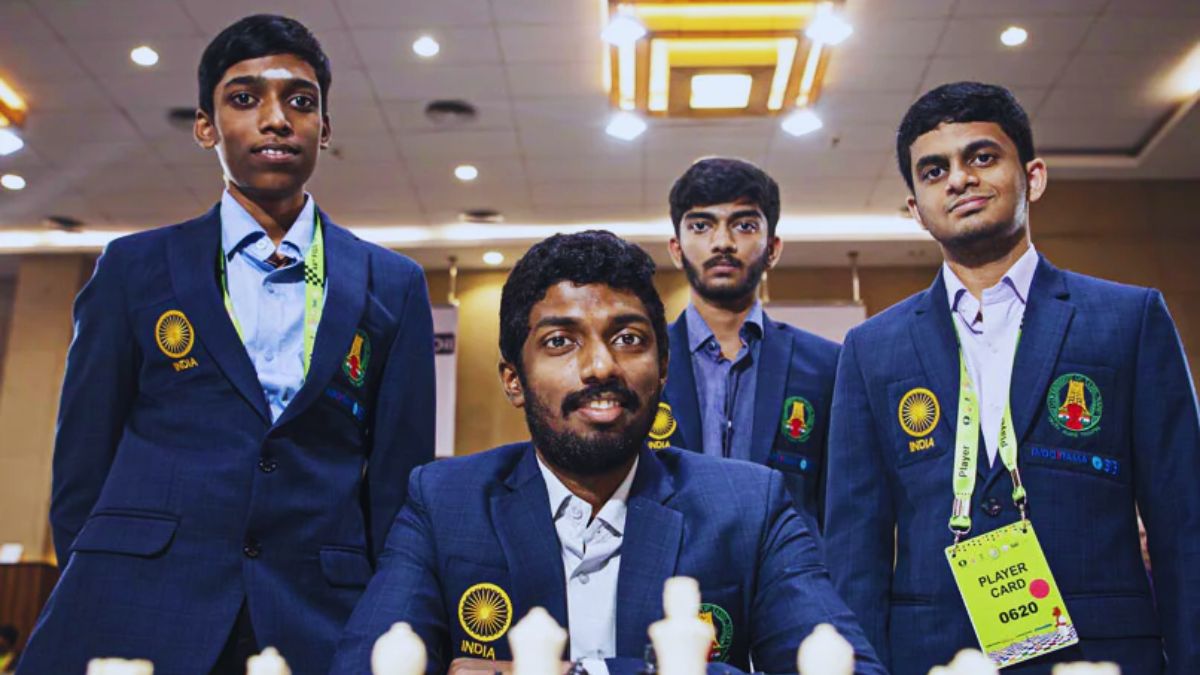
- World Champion D Gukesh
- Rising stars like R Praggnanandhaa and Arjun Erigaisi
- Expansion of school chess programmes
- Growing corporate sponsorship
- Strong digital consumption and streaming audiences
- Increasing franchise-based competitions
If the ecosystem works better we would see financially this sport would touch around 2000 crore considering all the elements should be taken into consideration.
Chess in India (2026): Market Size, Growth, Sponsorship & Commercial Ecosystem
1. Estimated Revenue Market Size (2026)
| Segment | Estimated Market Size (₹) |
|---|---|
| Tournament Ecosystem | ₹180–250 crore |
| Coaching & Academies | ₹250–350 crore |
| Online Chess Platforms | ₹300–450 crore |
| Corporate Chess Events | ₹80–120 crore |
| Equipment & Merchandise | ₹60–80 crore |
| Sponsorship & Media | ₹120–180 crore |
| Total Estimated Market | ₹1,000–1,400 crore |
2. Reasons Behind the Rapid Growth of Chess in India
| S.No. | Growth Driver | Description |
|---|---|---|
| 1 | Multiple Playing Formats | Rapid, Blitz, Classical and other formats keep the sport engaging for players and viewers alike. |
| 2 | India Producing World Champions | Success of Indian Grandmasters has significantly increased the sport’s popularity. |
| 3 | Low Participation Cost | Chess requires comparatively lower investment than most mainstream sports. |
| 4 | Digital Revolution | Platforms like ChessBase India and creators such as Samay Raina popularised chess, especially during the pandemic. |
| 5 | School & Corporate Adoption | Schools, colleges and corporates have increasingly embraced chess tournaments and activities. |
| 6 | Government & Federation Support | Various initiatives by the government and chess federations have contributed to grassroots development. |
3. Major Sponsors Investing in Chess
| Sponsor Category | Major Brands |
|---|---|
| Technology | Tech Mahindra, Google |
| Corporate | Tata Steel |
| Chess Platform | Chess.com |
| Telecom | Jio |
| Fintech | CoinSwitch |
| Esports & Gaming | NODWIN Gaming |
Industry Insight: Sponsorship demand has increased significantly due to the rising popularity and commercial appeal of chess.
4. Major Chess Tournaments & Leagues (2026)
| Tournament / League |
|---|
| Global Chess League |
| Tata Steel Chess India |
| AIM Chess League |
| India Rising – Road to Esports World Cup |
| National Chess Championships |
5. Why Chess is Becoming a Favourite Among Brands
| Key Audience Segments |
|---|
| Students |
| Engineers |
| IT Professionals |
| Startup Founders |
| Finance Professionals |
| HNIs (High-Net-Worth Individuals) |
6. Sponsor Categories Investing in Chess
| Industry Category |
|---|
| Technology |
| Banking & Fintech |
| EdTech |
| AI Companies |
| Consumer Electronics |
| Insurance |
| Luxury Brands |
| Universities |
| Gaming Platforms |
7. Commercial Opportunities in Chess
| Revenue Opportunity | Description |
|---|---|
| League Sponsorships | Title and associate partnerships for leagues. |
| Team Sponsorships | Franchise and team branding opportunities. |
| Broadcast Rights | Television and digital media rights. |
| Digital Streaming | OTT and live streaming monetisation. |
| Player Endorsements | Brand partnerships with top players. |
| Corporate Endorsements | Chess ambassadors for corporate campaigns. |
| School Partnerships | Chess programmes in educational institutions. |
| Online Coaching | Subscription-based coaching and learning platforms. |
| Tournament Hosting | Organising national and international events. |
| Merchandise | Boards, apparel, accessories and collectibles. |
8. Key Challenges Facing Chess
| S.No. | Challenge |
|---|---|
| 1 | Limited mainstream media coverage |
| 2 | Few franchise-based league models |
| 3 | Heavy dependence on digital platforms |
| 4 | Limited prize money outside elite tournaments |
9. Reasons to Remain Optimistic (2026–2030)
| Growth Factor | Impact |
|---|---|
| World Champion D. Gukesh | Inspiring the next generation of players |
| Rising Stars | Players like R. Praggnanandhaa and Arjun Erigaisi are expanding India’s global presence |
| School Chess Expansion | Strong grassroots participation |
| Growing Corporate Sponsorship | Increased commercial investment |
| Digital Consumption | Higher viewership through streaming and online content |
| Franchise-Based Competitions | Potential to create a sustainable professional ecosystem |
10. Future Market Outlook (2026–2030)
| Parameter | Projection |
|---|---|
| Current Estimated Market Size (2026) | ₹1,000–1,400 crore |
| Potential Market Size by 2030 | Around ₹2,000 crore |
| Key Growth Drivers | Corporate sponsorships, school programmes, digital platforms, franchise leagues, media rights, player endorsements and grassroots development |
Frequently Ask Questions:
Q1: Why is chess witnessing rapid commercial growth in India despite being a traditional sport?
Answer:
Chess has transformed from being viewed as a niche intellectual game into one of India’s fastest-growing sports ecosystems. Several factors have contributed to this remarkable commercial rise. Firstly, India’s success on the global stage has inspired millions of young players. World Champion D. Gukesh, alongside stars such as R. Praggnanandhaa, Arjun Erigaisi and Koneru Humpy, has significantly boosted public interest in the sport.
Secondly, digital platforms have revolutionised accessibility. Websites like ChessBase India and global platforms such as Chess.com and Lichess have enabled players to compete, learn and watch tournaments from anywhere. During the COVID-19 pandemic, online chess experienced unprecedented growth, while creators like Samay Raina introduced the game to a younger audience through entertaining live streams featuring celebrities and Grandmasters.
Another major factor is affordability. Unlike many sports that require expensive infrastructure, chess demands minimal investment, making it attractive for schools, colleges and parents. As a result, educational institutions have increasingly incorporated chess into extracurricular programmes because it enhances concentration, analytical thinking, patience and decision-making skills.
Corporate India has also recognised chess as an effective engagement tool. Many organisations now host internal tournaments to encourage strategic thinking, teamwork and employee wellness. Technology firms, fintech companies, educational institutions and AI businesses are increasingly sponsoring tournaments because chess aligns naturally with innovation, intelligence and problem-solving.
Media consumption has further accelerated growth. Live streaming on YouTube, social media highlights and digital commentary have enabled tournaments to reach millions of viewers globally. Unlike traditional sports broadcasts, chess content remains evergreen, allowing fans to revisit games, analyse strategies and learn continuously.
The emergence of franchise-based competitions such as the Global Chess League has introduced new commercial opportunities, including sponsorships, broadcasting rights, merchandise sales and team ownership. These developments have attracted brands seeking long-term visibility among educated and affluent audiences.
Government initiatives and federation programmes have strengthened grassroots participation through national championships, school competitions and international events hosted in India. Combined with improved coaching infrastructure and the availability of online learning platforms, the country now possesses one of the world’s strongest talent pipelines.
If these trends continue, experts believe the Indian chess ecosystem could comfortably exceed ₹2,000 crore by 2030 through increased sponsorships, digital subscriptions, coaching academies, corporate events, merchandise and international tournaments.
Q2: Why are brands increasingly investing in chess sponsorships, and what commercial opportunities exist in the sport?
Answer:
Brands are increasingly viewing chess as a premium marketing platform because it delivers access to a highly educated, digitally connected and financially attractive audience. Unlike several traditional sports that depend heavily on stadium attendance, chess enjoys significant online engagement, making it easier for sponsors to achieve measurable digital visibility.
The core audience for chess includes students, software engineers, IT professionals, startup founders, finance experts, academicians and high-net-worth individuals. These demographics possess strong purchasing power and influence decisions related to technology, education, finance and lifestyle products. Consequently, brands from sectors such as technology, banking, fintech, AI, consumer electronics, insurance, universities and gaming have become active sponsors.
Sponsorship opportunities extend far beyond tournament title rights. Companies can sponsor individual players, national championships, school circuits, corporate events, franchise teams and digital broadcasts. Player endorsements have also become valuable as Indian Grandmasters gain international recognition and larger social media followings.
Media rights represent another promising revenue stream. As viewership grows on YouTube, OTT platforms and digital broadcasters, organisers can monetise tournaments through advertising, exclusive streaming partnerships and subscription-based premium content. Tournament organisers can also generate revenue through hospitality packages, licensing and branded experiences.
The coaching ecosystem is another commercial hotspot. Online academies, AI-assisted training platforms and personalised coaching programmes continue to attract thousands of aspiring players. Educational institutions are collaborating with chess academies to integrate structured learning into school curricula, creating recurring business opportunities.
Merchandising is steadily expanding as well. Chess boards, digital clocks, apparel, accessories, collectibles and educational books have become increasingly popular among enthusiasts. Corporate gifting and customised products further contribute to market growth.
Despite these opportunities, challenges remain. Mainstream television coverage is still limited compared with cricket, franchise leagues are relatively few and prize money outside elite tournaments requires further enhancement. Additionally, the ecosystem remains heavily dependent on digital platforms for audience engagement and monetisation.

Nevertheless, the long-term outlook remains highly positive. India’s growing pool of elite players, expanding grassroots participation, increasing corporate sponsorship, stronger digital consumption and the rise of franchise-based competitions are creating a sustainable commercial ecosystem. If stakeholders continue investing strategically in infrastructure, media, grassroots development and professional leagues, chess is well positioned to become one of India’s most commercially successful non-cricket sports over the next decade.
| Question | Answer |
|---|---|
| Q1: Why is chess witnessing rapid commercial growth in India despite being a traditional sport? | Chess has transformed from being viewed as a niche intellectual game into one of India’s fastest-growing sports ecosystems. Several factors have contributed to this remarkable commercial rise. Firstly, India’s success on the global stage has inspired millions of young players. World Champion D. Gukesh, alongside stars such as R. Praggnanandhaa, Arjun Erigaisi and Koneru Humpy, has significantly boosted public interest in the sport.
Secondly, digital platforms have revolutionised accessibility. Websites like ChessBase India, Chess.com and Lichess have enabled players to compete, learn and watch tournaments from anywhere. During the COVID-19 pandemic, online chess experienced unprecedented growth, while creators like Samay Raina introduced the game to a younger audience through entertaining live streams featuring celebrities and Grandmasters. Another major factor is affordability. Unlike many sports that require expensive infrastructure, chess demands minimal investment, making it attractive for schools, colleges and parents. Educational institutions have increasingly incorporated chess into extracurricular programmes because it enhances concentration, analytical thinking, patience and decision-making skills. Corporate India has also recognised chess as an effective engagement tool. Many organisations now host internal tournaments to encourage strategic thinking, teamwork and employee wellness. Technology firms, fintech companies, educational institutions and AI businesses are increasingly sponsoring tournaments because chess aligns naturally with innovation, intelligence and problem-solving. Media consumption has further accelerated growth. Live streaming on YouTube, social media highlights and digital commentary have enabled tournaments to reach millions of viewers globally. Unlike traditional sports broadcasts, chess content remains evergreen, allowing fans to revisit games, analyse strategies and learn continuously. The emergence of franchise-based competitions such as the Global Chess League has introduced new commercial opportunities, including sponsorships, broadcasting rights, merchandise sales and team ownership. These developments have attracted brands seeking long-term visibility among educated and affluent audiences. Government initiatives and federation programmes have strengthened grassroots participation through national championships, school competitions and international events hosted in India. Combined with improved coaching infrastructure and the availability of online learning platforms, the country now possesses one of the world’s strongest talent pipelines. If these trends continue, experts believe the Indian chess ecosystem could comfortably exceed ₹2,000 crore by 2030 through increased sponsorships, digital subscriptions, coaching academies, corporate events, merchandise and international tournaments. |
| Q2: Why are brands increasingly investing in chess sponsorships, and what commercial opportunities exist in the sport? | Brands are increasingly viewing chess as a premium marketing platform because it delivers access to a highly educated, digitally connected and financially attractive audience. Unlike several traditional sports that depend heavily on stadium attendance, chess enjoys significant online engagement, making it easier for sponsors to achieve measurable digital visibility.
The core audience for chess includes students, software engineers, IT professionals, startup founders, finance experts, academicians and high-net-worth individuals (HNIs). These demographics possess strong purchasing power and influence decisions related to technology, education, finance and lifestyle products. Consequently, brands from sectors such as technology, banking, fintech, AI, consumer electronics, insurance, universities and gaming have become active sponsors. Sponsorship opportunities extend far beyond tournament title rights. Companies can sponsor individual players, national championships, school circuits, corporate events, franchise teams and digital broadcasts. Player endorsements have also become valuable as Indian Grandmasters gain international recognition and larger social media followings. Media rights represent another promising revenue stream. As viewership grows on YouTube, OTT platforms and digital broadcasters, organisers can monetise tournaments through advertising, exclusive streaming partnerships and subscription-based premium content. Tournament organisers can also generate revenue through hospitality packages, licensing and branded experiences. The coaching ecosystem is another commercial hotspot. Online academies, AI-assisted training platforms and personalised coaching programmes continue to attract thousands of aspiring players. Educational institutions are collaborating with chess academies to integrate structured learning into school curricula, creating recurring business opportunities. Merchandising is steadily expanding as well. Chess boards, digital clocks, apparel, accessories, collectibles and educational books have become increasingly popular among enthusiasts. Corporate gifting and customised products further contribute to market growth. Despite these opportunities, challenges remain. Mainstream television coverage is still limited compared with cricket, franchise leagues are relatively few and prize money outside elite tournaments requires further enhancement. Additionally, the ecosystem remains heavily dependent on digital platforms for audience engagement and monetisation. Nevertheless, the long-term outlook remains highly positive. India’s growing pool of elite players, expanding grassroots participation, increasing corporate sponsorship, stronger digital consumption and the rise of franchise-based competitions are creating a sustainable commercial ecosystem. If stakeholders continue investing strategically in infrastructure, media, grassroots development and professional leagues, chess is well positioned to become one of India’s most commercially successful non-cricket sports over the next decade. |
Related posts: